

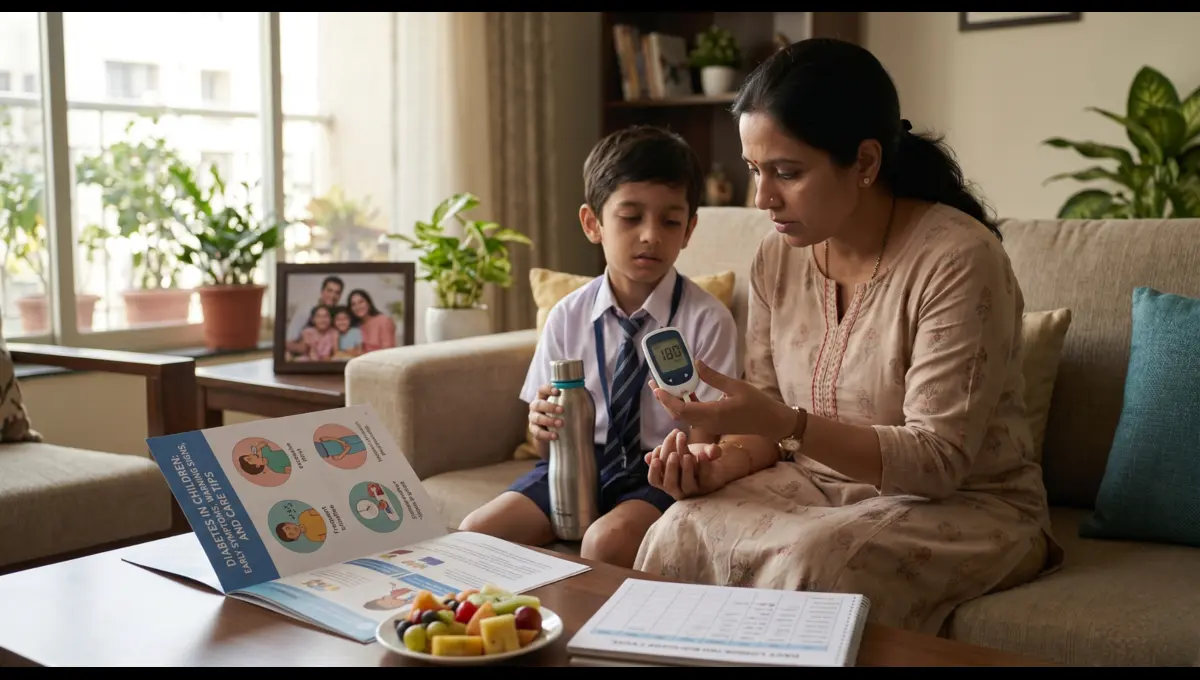
Diabetes in children is a serious metabolic condition where the body fails to properly regulate blood sugar levels. Recognizing early warning signs, such as frequent urination and excessive thirst, is essential for immediate diagnosis and treatment. Historically considered rare, the prevalence of diabetes in children is steadily rising across India due to shifting lifestyle and dietary habits. Early medical intervention combined with proper nutritional care ensures a healthy, active life for affected kids. Parents must stay vigilant about sudden changes in their child’s physical health or daily energy levels.
Key Highlights / Quick Facts
- The “4 Ts” (Toilet, Thirsty, Tired, Thinner) are the most critical early warning signs parents must watch for.
- Type 1 requires lifelong insulin therapy, while Type 2 can often be managed with diet, exercise, and oral medication.
- A simple blood test, such as an HbA1c or fasting plasma glucose test, can quickly confirm a medical diagnosis.
- If you suspect your child has symptoms, schedule an appointment with a pediatric endocrinologist immediately.
- Indian diets for managing the condition should prioritize whole grains, dals, and fiber-rich vegetables over refined carbohydrates.
- Daily physical activity is mandatory to help manage blood sugar levels and improve insulin sensitivity.
- Routine monitoring of blood glucose using a glucometer or continuous glucose monitor prevents long-term health complications.
What Is Diabetes in Children and Why It Is Increasing in India
This condition occurs when a child’s pancreas fails to produce insulin or their body becomes resistant to its effects. Without sufficient insulin, sugar accumulates in the blood instead of entering the body’s cells for energy.
India is witnessing an alarming rise in both Type 1 and Type 2 cases among the younger population. This increase is heavily driven by sedentary lifestyles, high consumption of processed fast food, and genetic predispositions. Reduced outdoor playtime and increased screen time have directly contributed to childhood obesity, a major trigger for metabolic disorders.
Types of Diabetes in Children: Type 1 vs Type 2 Explained Simply
The condition primarily presents in two distinct forms, requiring completely different medical management approaches. Type 1 is an autoimmune disease where the body mistakenly attacks its own insulin-producing cells in the pancreas. This type requires daily insulin administration for survival and is the most prevalent form of diabetes in children.
Conversely, Type 2 develops when the body becomes resistant to insulin or fails to produce enough to maintain normal levels. Previously known as adult-onset diabetes, it is now increasingly diagnosed in Indian kids due to rising obesity rates. Type 2 is often managed with lifestyle modifications, oral medications, and occasionally insulin therapy.
Diabetes in Children Symptoms: Early Warning Signs Parents Should Notice
Recognizing the early indicators is vital to prevent serious, life-threatening complications like diabetic ketoacidosis. The symptoms can develop rapidly, sometimes over just a few weeks, especially in Type 1 cases. Parents should closely monitor any sudden behavioral or physical changes in their kids.
Unexplained lethargy, extreme hunger even immediately after eating, and a sudden drop in academic or sports performance can all be early red flags. Identifying these changes promptly ensures the child gets evaluated before the metabolic imbalance worsens.
Common Warning Signs of Diabetes in Children (The ‘4 Ts’ Explained)
Healthcare professionals often use the “4 Ts” to help parents remember the classic presentation of diabetes in children.
- Toilet: The child needs to urinate frequently, often accompanied by sudden bedwetting in a previously toilet-trained child.
- Thirsty: There is an unquenchable thirst, leading the child to drink significantly more water than usual.
- Tired: The child feels constantly exhausted or drained, as their body cannot convert circulating glucose into energy.
- Thinner: Sudden, unexplained weight loss occurs despite the child eating more than normal.
Less Obvious Symptoms of Diabetes in Children That Are Often Missed
Beyond the classic signs, there are subtle indicators that parents frequently overlook during the early stages. Blurry vision is a common symptom caused by fluid shifting in the lenses of the eyes due to rapidly changing blood sugar levels.
Frequent skin infections, slow-healing wounds, or recurring urinary tract infections are also significant warning signs. Parents might also notice dark, velvety patches of skin around the neck or armpits, known as acanthosis nigricans, which indicates insulin resistance. Additionally, a fruity-smelling breath can indicate high ketone levels, requiring immediate emergency care.
What Causes Diabetes in Children? Key Risk Factors and Triggers
The exact cause of Type 1 remains largely unknown, though it is strongly linked to genetic and environmental factors. It is ultimately an autoimmune response where the immune system destroys the vital insulin-producing beta cells.
For Type 2, the risk factors are more clearly defined and are heavily tied to lifestyle habits. Excess weight and obesity are the primary culprits, making the body’s cells highly resistant to insulin. A strong family history of the disease, maternal gestational diabetes, and an inactive lifestyle dramatically increase a child’s risk profile.
How Is Diabetes in Children Diagnosed? Tests and Medical Evaluation
If a doctor suspects the condition, they will order specific blood tests to immediately confirm the diagnosis. A random blood sugar test is often the first step, where a level of 200 mg/dL or higher suggests the presence of the disease.
A fasting blood sugar test measures glucose levels after an overnight fast, with a reading of 126 mg/dL or higher indicating an official diagnosis. The HbA1c test is another crucial diagnostic tool that reflects the average blood sugar levels over the past two to three months. Doctors may also test for autoantibodies to accurately distinguish between Type 1 and Type 2.
What to Do If Your Child Shows Diabetes Symptoms: When to See a Doctor
If you observe the “4 Ts” or any other subtle warning signs, do not wait to see if they resolve on their own. You must schedule an appointment with a pediatrician or a pediatric endocrinologist immediately for a proper evaluation.
Delaying medical evaluation can lead to life-threatening emergencies, such as diabetic coma or severe dehydration. Never attempt to treat suspected diabetes in children using home remedies, dietary fads, or alternative medicines without professional medical guidance. Early clinical detection ensures your child receives the correct treatment plan safely.
Treatment Options for Diabetes in Children: Insulin, Medicines, and Care
The medical approach depends entirely on the specific type of the condition diagnosed by the specialist. Children with Type 1 require lifelong insulin therapy, which is delivered via multiple daily injections or a wearable insulin pump.
Managing Type 2 usually begins with strict dietary changes and a structured increase in physical activity. If lifestyle adjustments are insufficient, doctors may prescribe oral medications like metformin to help lower blood sugar. Consistent monitoring using a glucometer or continuous glucose monitor (CGM) is mandatory for both types to ensure safety.
Daily Care Tips for Managing Diabetes in Children at Home and School
Successfully managing the condition requires establishing a strict but highly supportive daily routine. Parents must ensure their child takes their medications, checks their blood sugar, and administers insulin precisely on schedule.
It is vital to inform school teachers and staff about your child’s condition and provide them with an emergency care plan. Always equip your child with a portable kit containing their testing supplies, insulin, and fast-acting carbohydrates like glucose tablets. Emotional support is equally important, as dealing with a chronic illness can be stressful for young minds.
Diet and Nutrition Plan for Children with Diabetes (Indian Foods Guide)
A balanced, culturally appropriate diet is the absolute cornerstone of managing daily blood sugar levels. An Indian diet for the condition should replace refined grains like maida and white rice with high-fiber, complex carbohydrates.
Incorporate whole wheat, oats, and traditional millets like ragi, jowar, and bajra into their regular meals. Proteins from dals, paneer, eggs, and lean meats help stabilize blood glucose spikes and keep the child full for longer periods. Limit the intake of processed snacks and deep-fried foods, focusing instead on strict portion control.
Can Diabetes in Children Be Prevented or Controlled? Long-Term Outlook
While Type 1 cannot currently be prevented due to its autoimmune nature, maintaining a healthy lifestyle is highly effective in preventing Type 2. Encouraging outdoor sports, heavily limiting screen time, and fostering healthy eating habits from a young age are the best preventive measures available.
Although it is a chronic condition, a clinical diagnosis is not a barrier to a fulfilling, active life. With strict adherence to medication, proper nutrition, and regular medical check-ups, diabetes in children can be successfully controlled. These children can grow up to pursue demanding careers, participate in competitive sports, and live long, entirely healthy lives.
Read More: Can Type 2 Diabetes Be Reversed Naturally? Complete Guide

1 Comment
Pingback: Early Signs Of Diabetes In Children Every Parent Should Never Ignore | Healthaxis.In