

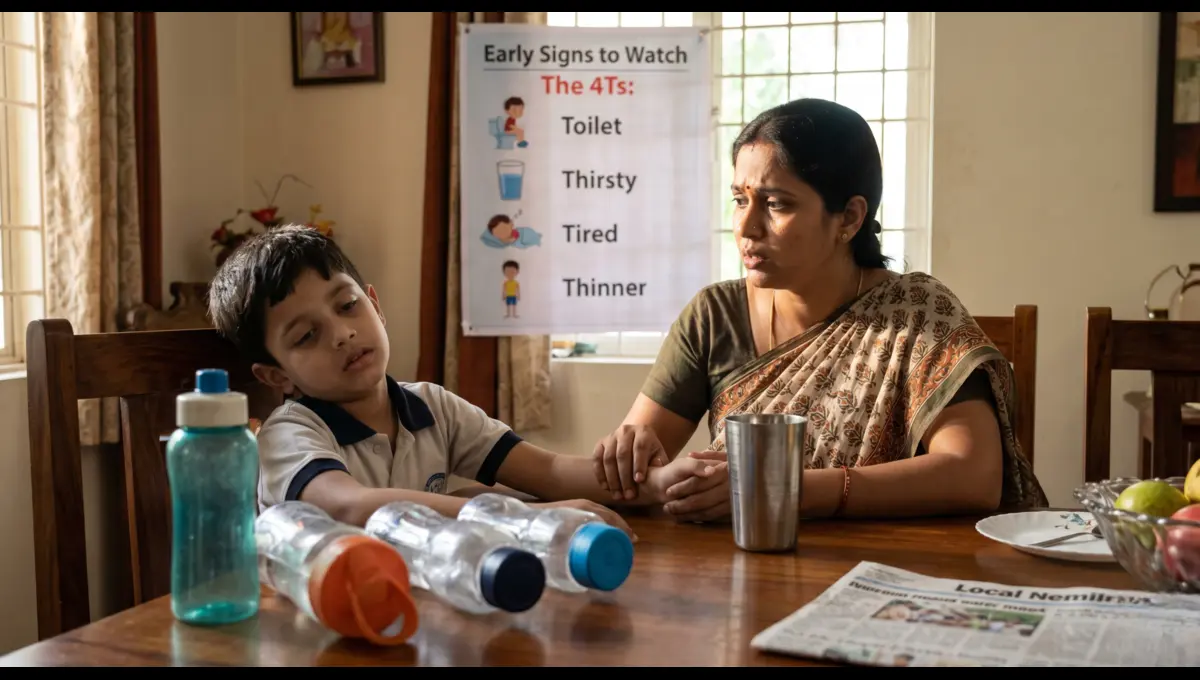
Recognizing the early warning signs of diabetes in children is crucial for preventing severe health complications. The most common indicators include excessive thirst, frequent urination, sudden weight loss, and constant fatigue. Understanding these symptoms allows parents to seek timely medical intervention and secure a proper diagnosis. While managing this chronic condition requires lifelong commitment, early detection ensures a healthier, more stable life for your child. Prompt action can be life-saving, especially in preventing medical emergencies like diabetic ketoacidosis.
Key Highlights / Quick Facts
- The 4Ts Rule: Remember Toilet, Thirsty, Tired, and Thinner as the primary warning signs to look out for.
- Immediate Action: Consult a pediatrician immediately if your child suddenly starts bed-wetting after previously being fully toilet trained.
- Medical Emergency: Fruity-smelling breath, rapid breathing, and vomiting require immediate and urgent hospital care.
- Type Differences: Type 1 usually appears suddenly over a few weeks, while Type 2 develops much more gradually.
- Diagnosis: A simple blood sugar test (fasting or random) at your local clinic is the first step to confirm the condition.
- Risk Factors: A family history of blood sugar issues and a sedentary lifestyle play significant roles, particularly in Type 2 cases.
What Is Diabetes in Children and Why Early Detection Matters
Diabetes in children is a chronic condition where the body cannot properly produce or use insulin, a vital hormone needed to convert glucose into energy. Without enough insulin, sugar builds up in the bloodstream, depriving cells of the energy they desperately need to function. Detecting diabetes in children early is strictly vital to prevent serious, potentially fatal complications.
When left untreated, chronically high blood sugar levels can damage internal organs and lead to a life-threatening condition called diabetic ketoacidosis. Early medical intervention stabilizes the child’s physical health and establishes a management plan before severe systemic damage occurs.
What Are the Early Signs of Diabetes in Children Parents Should Watch For?
The initial symptoms can easily be mistaken for common childhood illnesses or routine growth spurts. Parents should closely monitor any sudden, unexplainable changes in their child’s physical health or daily habits. The most prominent signs revolve around the body’s attempt to flush out excess sugar and the systemic lack of cellular energy.
Common early indicators include an unquenchable thirst, frequent trips to the washroom, and a sudden drop in weight despite an increased appetite. Paying close attention to these subtle but persistent shifts can lead to a much-needed early diagnosis of diabetes in children.
Diabetes in Children: The 4Ts (Toilet, Thirsty, Tired, Thinner) Explained Simply
Medical professionals globally use the 4Ts to help parents remember the core symptoms of diabetes in children. Toilet refers to the sudden need to urinate frequently, especially during the night. Thirsty highlights a scenario where a child drinks abnormally large amounts of water but never feels satisfied.
Tired points to extreme fatigue or lethargy, as the child’s body cannot convert consumed sugar into usable energy. Thinner indicates rapid, unexplained weight loss despite the child eating normally or even more than usual. Recognizing these four clear signs of diabetes in children can significantly speed up your medical response.
Why Frequent Urination and Bed-Wetting Can Signal Diabetes in Children
When glucose levels run high, the kidneys are forced to work overtime to filter and absorb the excess sugar. If the kidneys cannot keep up, the excess sugar is excreted into the urine, dragging fluids from the tissues along with it. This biological process makes frequent urination one of the most recognizable symptoms of this condition.
For younger kids, this often manifests as a sudden return to bed-wetting after they have been successfully toilet trained for months or years. Parents noticing unusually heavy diapers in infants or frequent bathroom requests during school hours should consult a doctor regarding diabetes in children.
Excessive Thirst and Hunger in Kids: Could It Be Diabetes?
Because frequent urination severely dehydrates the body, the child will naturally experience extreme thirst to replenish lost fluids. If your child is constantly asking for water or waking up multiple times at night to drink, it could be an early indicator of diabetes in children. This deep thirst is often unquenchable, no matter how much liquid the child consumes.
Similarly, extreme hunger occurs because the child’s muscles and organs are starved of energy due to a lack of insulin. The body sends intense hunger signals, prompting the child to eat more, yet this does not resolve the cellular energy deficit.
Unexplained Weight Loss and Fatigue in Diabetes in Children
Despite a noticeable increase in appetite, unexplained weight loss is a classic and concerning warning sign. Since the body cannot use glucose for energy, it begins breaking down muscle and fat reserves simply to survive. This rapid depletion of tissue mass leads to noticeable and sudden weight loss in a very short period.
Coupled with weight loss is profound, uncharacteristic fatigue and physical weakness. Without sugar properly entering the cells, the child’s body lacks the necessary fuel required for normal daily activities or play. If a normally active child suddenly becomes persistently lethargic, parents should screen for diabetes in children.
Behavioral Changes and Irritability: Subtle Signs of Diabetes in Children
Beyond the obvious physical symptoms, extreme fluctuations in blood sugar levels can significantly impact a child’s mood and daily behavior. Undiagnosed conditions often lead to sudden irritability, physical restlessness, and uncharacteristic tantrums. The constant exhaustion and physical discomfort caused by high blood sugar directly affect their emotional regulation.
A child may completely lose interest in their favorite activities or struggle to concentrate on their school studies. While mood swings are common in growing kids, severe behavioral changes paired with physical symptoms like extreme thirst strongly point toward diabetes in children.
Vision Problems, Infections, and Skin Changes Linked to Diabetes in Children
Elevated blood sugar levels can physically pull fluid from the lenses of the child’s eyes, leading to blurred vision. If a child suddenly complains about difficulty reading the blackboard or focusing on screens, it warrants a prompt medical checkup. Additionally, diabetes in children weakens the immune system, making the body much more susceptible to frequent bacterial and fungal infections.
Parents might notice recurring skin infections, slow-healing cuts, or frequent yeast infections, especially in infants dealing with severe diaper rash. In Type 2 cases, dark, velvety patches of skin may appear on the neck or armpits, signaling underlying insulin resistance.
How Early Symptoms of Type 1 vs Type 2 Diabetes in Children Differ
The progression of symptoms varies significantly depending on the specific type of the condition. Type 1 diabetes in children typically develops very quickly, often over a few weeks, with symptoms becoming severe and noticeable almost immediately. It is an autoimmune condition where the pancreas completely stops producing insulin.
Conversely, Type 2 diabetes in children develops gradually over months or even years, often linked to lifestyle factors, dietary habits, and excess weight. The symptoms of Type 2 can be so mild that they go completely unnoticed until routine blood tests are conducted or complications arise.
When Symptoms Become Serious: Warning Signs of Diabetic Ketoacidosis (DKA)
If early signs are completely missed, the condition can quickly escalate into diabetic ketoacidosis (DKA), a critical medical emergency. DKA happens when the body breaks down fat at a rapid rate, producing toxic acids called ketones in the bloodstream. This severe complication of untreated diabetes in children requires immediate hospitalization and intensive care.
Warning signs of DKA include severe nausea, sharp abdominal pain, repeated vomiting, and a distinct fruity odor on the child’s breath. Rapid, heavy breathing and extreme drowsiness or mental confusion are also major red flags that signify advanced complications needing urgent care.
When Should Parents See a Doctor for Suspected Diabetes in Children?
Parents should never adopt a “wait and see” approach if they suspect their child is exhibiting any of these symptoms. If you notice any combination of the 4Ts or a sudden, drastic change in bathroom habits, schedule a pediatrician appointment immediately. Delaying a professional medical evaluation for diabetes in children drastically increases the risk of severe complications like DKA.
If the child experiences excessive vomiting, rapid breathing, or extreme lethargy, bypass the local clinic and head straight to the nearest hospital emergency room. Early clinical intervention remains the absolute safest way to manage the initial stages of this condition.
How Diabetes in Children Is Diagnosed After Early Symptoms Appear
Diagnosing the condition involves straightforward, highly reliable clinical tests that provide fast and accurate results. The doctor will typically start with a random blood sugar test to check current glucose levels, regardless of when the child last ate. A fasting blood sugar test, taken after an overnight fast, is also highly effective in confirming diabetes in children.
Additionally, an HbA1c test may be conducted to accurately measure the child’s average blood sugar levels over the past two to three months. Once a diagnosis is officially confirmed, the healthcare team will help parents build a comprehensive daily management and insulin therapy plan.
Read More: Diabetes in Children: Early Symptoms, Warning Signs, and Care Tips

1 Comment
Pingback: Why Type 2 Diabetes Is Increasing In Kids: Hidden Causes Explained | Healthaxis.In