

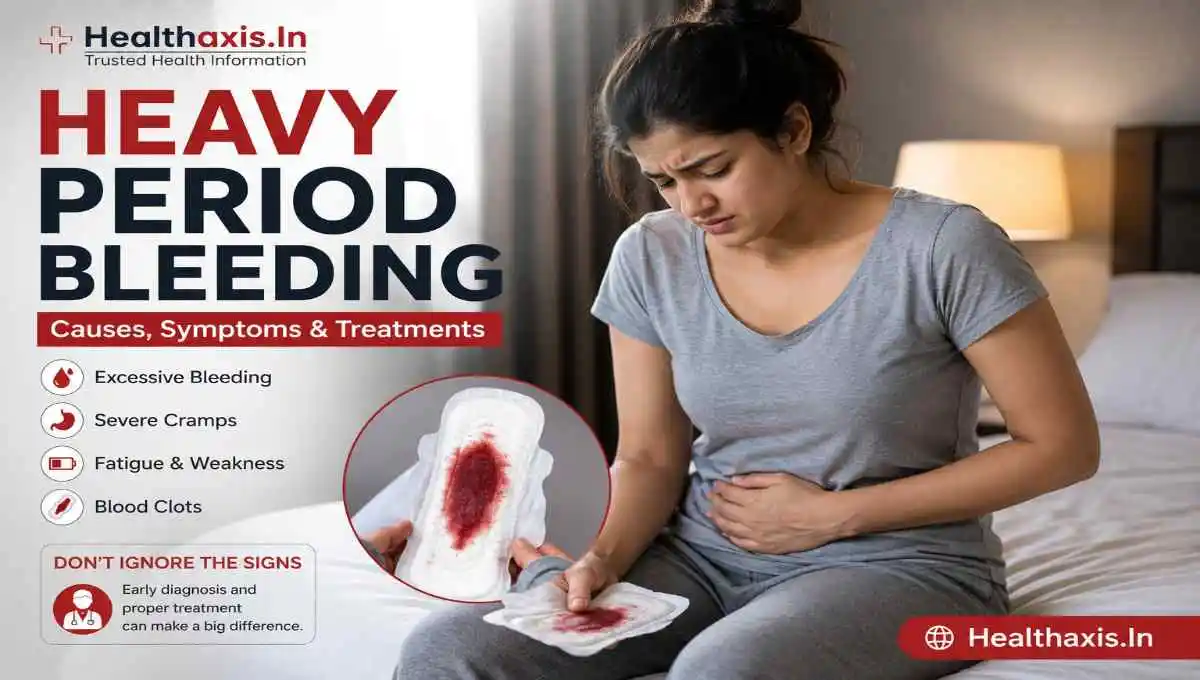
Heavy period bleeding, medically known as menorrhagia, involves menstrual periods with abnormally heavy or prolonged bleeding. It is a common concern among women in India that can cause severe fatigue, anemia, and disruption of daily activities. If you find yourself changing a pad or tampon every hour for consecutive hours, you may be experiencing this condition. Understanding the root causes and seeking timely medical advice is essential for effective management. Proper treatment can significantly improve your quality of life.
Key Highlights / Quick Facts
- Bleeding that lasts longer than seven days is considered heavy.
- Soaking through one or more sanitary pads every hour requires medical evaluation.
- Hormonal imbalances, especially between estrogen and progesterone, are leading triggers.
- Passing blood clots larger than a coin is a major symptom.
- Uterine fibroids and polyps commonly contribute to excessive menstrual flow.
- Untreated excessive bleeding often leads to iron deficiency anemia.
- Medical treatments range from oral medications and hormone therapy to surgical procedures.
- Including iron-rich Indian foods like spinach, jaggery, and lentils aids recovery.
What Is Heavy Period Bleeding and When Should You Be Concerned?
Heavy period bleeding occurs when a woman’s menstrual flow is excessively heavy, prolongs beyond seven days, or both. Medically termed menorrhagia, this condition prevents women from maintaining their normal daily routines due to intense blood loss and cramping.
You should be concerned if your bleeding limits regular activities or requires waking up at night to change sanitary protection. Experiencing constant fatigue, shortness of breath, or pale skin are clear indicators that the blood loss is impacting your overall health. Early evaluation by a gynecologist ensures you prevent complications like severe anemia.
Heavy Period Bleeding Symptoms: Signs That Should Not Be Ignored
Recognizing the early symptoms of abnormal menstrual bleeding is crucial for timely intervention. The most prominent sign is the need to use double sanitary protection to control your menstrual flow.
Key symptoms to watch out for include:
- Bleeding that persists for more than a week.
- Changing a pad or tampon every hour for multiple hours in a row.
- Passing large blood clots during your menstrual cycle.
- Restricting daily activities due to heavy menstrual flow.
- Experiencing continuous lower abdominal or pelvic pain.
- Feeling constantly tired, weak, or short of breath.
Common Causes of Heavy Period Bleeding in Women
Several underlying medical conditions can lead to excessive menstrual flow. A common cause is a failure of the ovaries to release an egg during a menstrual cycle, known as anovulation.
Other frequent causes include uterine dysfunction, bleeding disorders, and certain medications like blood thinners. Sometimes, the use of a non-hormonal intrauterine device (IUD) can also increase menstrual flow during the first few months. Identifying the exact cause through a medical checkup is the first step toward effective treatment.
Can PCOS, Fibroids, or Hormonal Imbalance Cause Heavy Periods?
Yes, hormonal imbalances are a leading reason for heavy period bleeding in women across India. Conditions like Polycystic Ovary Syndrome (PCOS) disrupt regular ovulation, leading to a thickened uterine lining that sheds heavily.
Uterine fibroids, which are noncancerous tumors of the uterus, frequently appear during childbearing years and cause heavier or prolonged menstrual bleeding. Similarly, uterine polyps, which are small benign growths on the lining of the uterus, can trigger high levels of bleeding. Thyroid gland dysfunction, such as hypothyroidism, is another common hormonal culprit affecting menstrual regulation.
Heavy Period Bleeding With Blood Clots: Is It Normal?
Passing small blood clots during the heaviest days of your menstrual cycle can be entirely normal. Your body naturally produces anticoagulants to keep menstrual blood flowing, but heavy flow can overwhelm this process, resulting in clots.
However, passing frequent blood clots that are larger than a 10-rupee coin is a sign of heavy period bleeding that requires attention. If large clots are accompanied by severe cramping and fatigue, it strongly indicates an underlying reproductive health issue. You should consult a doctor if this becomes a regular pattern during your cycles.
When to See a Doctor for Heavy Menstrual Bleeding
You should consult a healthcare professional if your menstrual bleeding is disrupting your physical health or daily life. Seek immediate medical attention if you experience heavy bleeding after menopause or between your regular menstrual cycles.
Schedule a doctor’s visit if you notice signs of anemia, such as extreme exhaustion, pale skin, or dizziness upon standing. Vaginal bleeding during pregnancy is a medical emergency and requires immediate hospital care. Never hesitate to consult a gynecologist for a proper evaluation.
How Heavy Period Bleeding Is Diagnosed: Tests and Medical Evaluation
Doctors usually start diagnosing heavy period bleeding by taking a detailed medical history and asking about your menstrual cycles. You may be asked to keep a diary tracking your bleeding and pad usage over a few weeks.
A typical medical evaluation involves a physical and pelvic examination. Your doctor may order blood tests to check for iron deficiency, thyroid disorders, or blood-clotting abnormalities. Imaging tests like a pelvic ultrasound or procedures such as a Pap smear and endometrial biopsy help identify fibroids, polyps, or other uterine issues.
Heavy Period Bleeding Treatment Options: Medicines, Hormones, and Procedures
Treatment for heavy period bleeding depends on the underlying cause, your medical history, and future pregnancy plans. Nonsteroidal anti-inflammatory drugs (NSAIDs) are often prescribed to reduce blood loss and relieve painful menstrual cramps.
Doctors may recommend oral contraceptives or hormonal medications to regulate menstrual cycles and thin the uterine lining. A hormonal intrauterine device (IUD) is highly effective in significantly reducing menstrual flow for many women. In severe cases where medication fails, surgical procedures like endometrial ablation, myomectomy, or a hysterectomy might be considered.
How to Stop Heavy Period Bleeding Naturally at Home
While medical treatment is necessary for underlying conditions, certain home remedies can help manage symptoms and support overall health. Staying highly hydrated by drinking plenty of water and clear fluids helps maintain your blood volume during heavy flow days.
Applying a warm heating pad to your lower abdomen can help relax uterine muscles and reduce painful cramps. Getting adequate rest and avoiding strenuous physical exertion during the heaviest days of your cycle is highly recommended. Always discuss natural remedies with your doctor to ensure they do not interfere with prescribed treatments.
Best Diet and Iron-Rich Foods for Heavy Period Bleeding and Anemia Recovery
A well-planned diet is essential to replenish the iron lost during heavy period bleeding and prevent anemia. Incorporating traditional Indian iron-rich foods into your daily meals provides a natural boost to your hemoglobin levels.
Include the following in your diet to support recovery:
- Green leafy vegetables like spinach (palak) and fenugreek (methi).
- Legumes, lentils, and beans (rajma, chole, moong dal).
- Nuts and seeds like pumpkin seeds, almonds, and sesame seeds.
- Jaggery (gud) combined with roasted chickpeas (chana).
- Vitamin C rich foods like amla, oranges, and lemon to boost iron absorption.
- Lean meats, poultry, and fish for non-vegetarians.
Can Heavy Period Bleeding Affect Fertility, Pregnancy, or Daily Life?
The impact of heavy period bleeding on daily life can be severe, causing missed work, social withdrawal, and emotional distress. The chronic fatigue associated with iron deficiency anemia further decreases productivity and overall well-being.
While the bleeding itself does not necessarily cause infertility, the underlying conditions like PCOS or fibroids often complicate conception. If heavy bleeding occurs during pregnancy, it is a serious warning sign that requires urgent medical care to protect both mother and child. Proper medical management helps resolve these issues, restoring health and preserving fertility.
Frequently Asked Questions About Heavy Period Bleeding
Is it normal to bleed heavily for 10 days?
No, a normal menstrual period typically lasts between four to seven days. Bleeding that continues for 10 days or more is a sign of menorrhagia and requires medical evaluation by a gynecologist.
What is the fastest way to stop heavy bleeding during a period?
There is no safe natural way to instantly stop heavy bleeding at home. Doctors typically prescribe specific medications like tranexamic acid or hormonal treatments to quickly reduce excessive menstrual flow.
Can stress cause heavy periods?
Yes, severe stress can disrupt the hormones that regulate your menstrual cycle. While stress usually causes delayed or missed periods, it can occasionally lead to hormonal imbalances that trigger heavy menstrual bleeding.
Does heavy bleeding always mean I have fibroids?
No, while uterine fibroids are a common cause, they are not the only reason for a heavy menstrual flow. Hormonal imbalances, adenomyosis, thyroid issues, and certain medications are also frequent contributors.
Should I take iron supplements during my period?
If you experience excessive menstrual bleeding, your doctor may recommend iron supplements to prevent or treat anemia. Always consult your healthcare provider for the correct dosage and to ensure supplements are necessary for you.
Read More: Period Irregular? 7 Common Causes and When to See a Doctor

1 Comment
Pingback: 7 Best Period Exercises | Healthaxis.In