

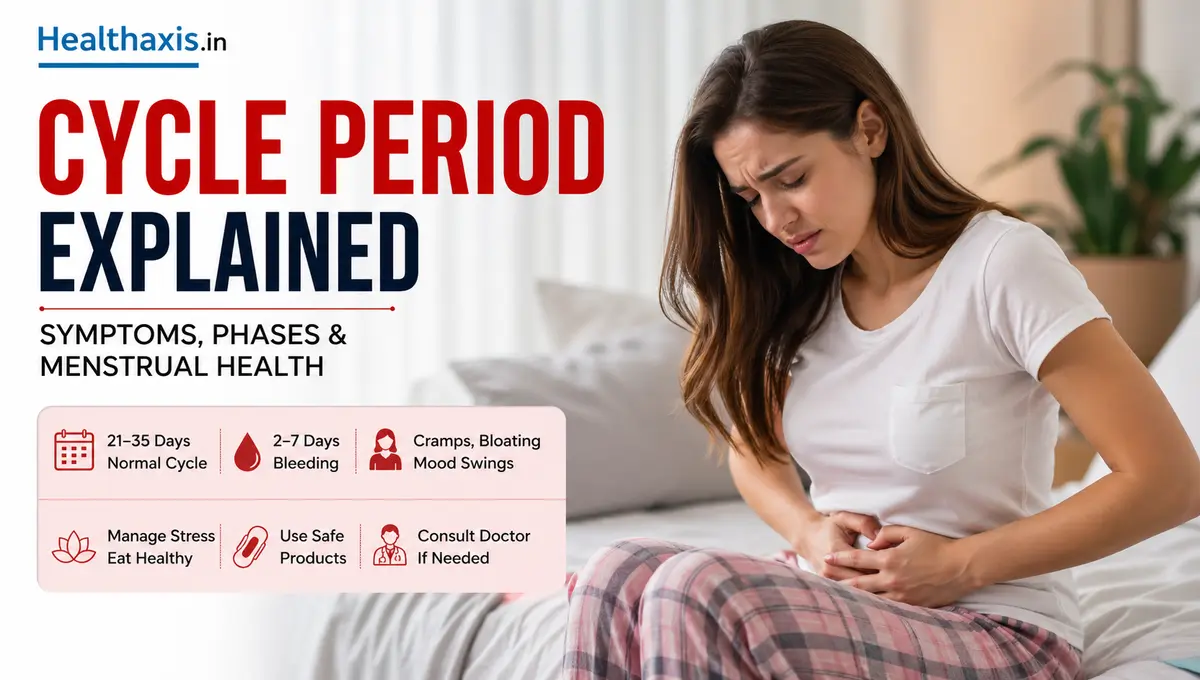
A normal Cycle Period is a natural biological process where a woman’s body prepares for a potential pregnancy each month. If pregnancy does not occur, the uterus sheds its lining, resulting in menstrual bleeding. Understanding your Cycle Period is essential for tracking your overall reproductive health and identifying any underlying medical conditions early. The typical cycle lasts between 21 and 35 days, with bleeding lasting for two to seven days. Knowing what is normal for your body helps you make informed healthcare decisions and recognize when to seek professional medical advice.
Key Highlights / Quick Facts
- A standard menstrual cycle occurs every 21 to 35 days in healthy adults.
- Menstrual bleeding typically lasts anywhere from two to seven days.
- Common symptoms include abdominal cramps, bloating, mood swings, and fatigue.
- Hormonal imbalances, high stress, and sudden weight changes often cause irregularities.
- Tracking your cycle helps predict ovulation, fertile windows, and upcoming menstruation.
- Maintaining a balanced diet and regular exercise can significantly reduce period pain.
- Using proper menstrual hygiene products prevents infections and maintains comfort.
- Consult a doctor if your bleeding is unusually heavy or lasts longer than seven days.
Understanding the Normal Menstrual Cycle Period
The menstrual cycle is the monthly series of changes a woman’s body goes through in preparation for the possibility of pregnancy. Each month, one of the ovaries releases an egg, a process called ovulation. At the same time, hormonal changes prepare the uterus for pregnancy by thickening its lining.
If ovulation takes place and the egg is not fertilized, the lining of the uterus sheds through the vagina. This shedding is what we refer to as your Cycle Period. Tracking these natural, repeating biological changes is a fundamental part of managing and understanding women’s health.
How Long Does a Typical Cycle Period Last?
The length of a menstrual cycle is counted from the first day of one period to the first day of the next. It is not exactly the same for every woman and can fluctuate. Menstrual flow might occur every 21 to 35 days and generally lasts for two to seven days.
For the first few years after menstruation begins, longer cycles are quite common among young girls. However, menstrual cycles tend to shorten and become much more regular as you age. Your individual Cycle Period is considered perfectly normal as long as it remains consistent for your own body.
The Four Main Phases of the Menstrual Cycle
The menstrual cycle is driven by hormones and is divided into four distinct phases throughout the month. The first is the menstrual phase, which is when the actual shedding of the uterine lining and bleeding occurs. Following this is the follicular phase, where the body begins preparing to release a new egg.
The third phase is ovulation, marking the release of a mature egg from the ovary into the fallopian tube. Finally, the luteal phase occurs, where the body either prepares for a resulting pregnancy or prepares to start a new Cycle Period. Understanding these hormonal phases helps explain the energy and mood shifts you feel throughout the month.
Common Physical and Emotional Symptoms During Your Period
Many women experience a variety of symptoms shortly before and during their menstrual bleeding. Physical signs often include breast tenderness, abdominal cramps, headaches, lower back pain, and temporary weight gain from water retention and bloating. These symptoms vary widely in severity from person to person.
Emotional symptoms are also incredibly common due to fluctuating hormone levels leading up to menstruation. You might experience mood swings, irritability, anxiety, or unusual fatigue shortly before your Cycle Period begins. Most of these symptoms are manageable and naturally subside within a few days of the bleeding starting.
How to Accurately Track Your Cycle Period and Ovulation
Tracking your cycle helps you understand your body’s natural rhythms and predict your most fertile days. Start by simply marking the first day of your bleeding on a calendar and noting the day when it ends. You should also record the heaviness of your flow and any physical or emotional symptoms you experience.
Over time, this continuous data reveals the average length of your Cycle Period and helps pinpoint ovulation. Ovulation usually happens about 14 days before your next period is expected to start. You can use digital smartphone apps, basal body temperature tracking, or ovulation predictor kits for much greater precision.
What Causes an Irregular Cycle Period?
An irregular menstrual cycle occurs when the length of your cycle consistently falls outside the typical 21 to 35-day range. Polycystic ovary syndrome (PCOS) is a frequent cause, involving hormonal imbalances that prevent regular, predictable ovulation. Thyroid disorders, whether overactive or underactive, can also significantly disrupt menstrual regularity.
Other common triggers for irregularities include extreme weight loss, eating disorders, and excessive physical exercise. Additionally, high stress levels can temporarily delay or entirely alter your Cycle Period. It is important to monitor these ongoing changes and seek medical advice if the irregularities persist for several months.
Effective Ways to Manage Menstrual Cramps and Discomfort
Menstrual cramps, medically known as dysmenorrhea, are a common source of discomfort that can usually be managed effectively at home. Applying a heating pad or hot water bottle to your lower abdomen helps relax the contracting uterine muscles. Taking over-the-counter pain relievers, such as ibuprofen, can also significantly reduce inflammation and pelvic pain.
Light physical activity, such as walking or gentle yoga, increases blood flow and naturally eases cramping. Staying well-hydrated and reducing your intake of salt and caffeine before your Cycle Period can also help minimize painful bloating and breast tenderness.
The Impact of Diet, Stress, and Lifestyle on Menstrual Health
Your daily lifestyle choices have a direct and powerful impact on your hormonal balance and overall menstrual health. A diet rich in iron, calcium, and omega-3 fatty acids supports a healthy reproductive system and replenishes vital nutrients lost during bleeding. Conversely, highly processed foods and excess sugar can worsen cellular inflammation and premenstrual symptoms.
Chronic mental or physical stress elevates cortisol levels, which can suppress the specific hormones needed to trigger ovulation. Practicing stress management techniques like meditation, ensuring adequate sleep, and maintaining a healthy weight are absolutely essential for maintaining a predictable Cycle Period.
How Your Cycle Period Changes from Puberty to Menopause
A woman’s menstrual cycle undergoes several significant biological changes throughout her lifetime. Menarche, or the very first period, usually occurs between the ages of 11 and 14, and cycles can be highly irregular for the first few years. During a woman’s twenties and thirties, cycles generally settle down and become much more predictable and consistent.
As women enter their late thirties and forties, they approach perimenopause, a transitional phase where reproductive hormone levels fluctuate unpredictably. During this time, the Cycle Period often becomes irregular again until it stops completely at menopause, permanently marking the end of the reproductive years.
Menstrual Hygiene: Best Practices and Safe Product Choices
Maintaining proper menstrual hygiene is crucial for preventing bacterial infections and ensuring personal comfort. You can choose from various safe products, including sanitary pads, tampons, menstrual cups, and reusable period underwear. It is vital to change disposable pads or tampons every four to six hours, even if your menstrual flow is exceptionally light.
Wash your genital area carefully with plain warm water, strictly avoiding harsh chemical soaps or douches that can easily disrupt your natural bacterial balance. Always wash your hands thoroughly with soap before and after changing your menstrual products. Good hygiene practices make managing your Cycle Period significantly safer and much more comfortable.
When to Consult a Doctor About Your Menstrual Cycle
While occasional, minor variations in your cycle are perfectly normal, certain symptoms require professional medical evaluation. You should promptly see a gynecologist if your periods suddenly stop for more than 90 days and you are certain you are not pregnant. Bleeding that lasts longer than seven days or is exceptionally heavy requires immediate clinical attention.
Consult a doctor if your periods become highly erratic after having been regular for years, or if you experience severe pelvic pain that disrupts your daily life. Any unexplained bleeding between periods or after menopause is a serious medical red flag. Tracking your Cycle Period accurately helps provide your doctor with the necessary information for a proper diagnosis.
Frequently Asked Questions
What is considered a normal length for a menstrual cycle?
A typical cycle ranges from 21 to 35 days in healthy adult women. The actual menstrual bleeding usually lasts between two to seven days.
Why is my Cycle Period suddenly late?
A late period can be caused by potential pregnancy, high stress levels, significant weight changes, or underlying hormonal imbalances. If you miss multiple periods consecutively, consult a healthcare provider for an evaluation.
Is it normal to pass blood clots during menstruation?
Passing small blood clots is normal, especially on heavy flow days. However, if you consistently pass clots larger than a quarter, you should seek medical advice.
How does PCOS affect the menstrual cycle?
Polycystic ovary syndrome causes hormonal imbalances that directly interfere with normal ovulation. This condition very often leads to missed, delayed, or highly irregular cycles.
Can exercise change my menstrual cycle?
Moderate exercise is highly beneficial and can reduce menstrual cramps. However, extreme athletic training can lower body fat too much, potentially causing your Cycle Period to stop entirely.
Read More: What Period Is Ovulation? A Clear Guide to Your Fertile Window

1 Comment
Pingback: New Period Pain Treatment 2026: Causes, Symptoms, And Relief | Healthaxis.In