

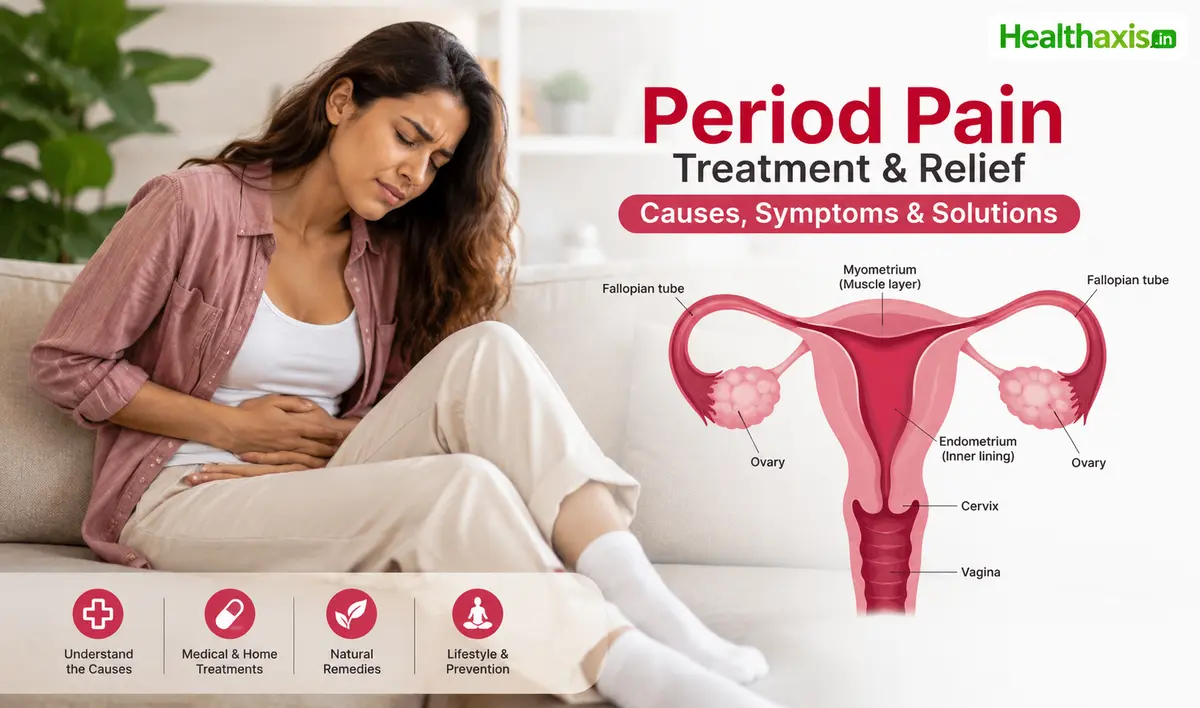
Menstrual cramps affect millions of women, making finding an effective Period Pain Treatment essential for maintaining daily routines and quality of life. Period pain, medically known as dysmenorrhea, involves lower abdominal cramping that occurs just before or during menstruation. Proper Period Pain Treatment depends on understanding whether the discomfort is a natural part of the cycle or a symptom of an underlying medical condition. This guide explores the causes, symptoms, and the most reliable ways to manage your menstrual health safely and effectively.
Key Highlights / Quick Facts
- Main Symptom: Throbbing or cramping pain in the lower abdomen that may radiate to the back and thighs.
- Primary Cause: High levels of prostaglandins trigger strong uterine muscle contractions.
- Treatment Overview: Options range from over-the-counter NSAIDs and heat therapy to prescribed hormonal medications.
- Risk Factors: Starting puberty early, heavy menstrual bleeding, or a family history of severe cramps.
- Prevention: Regular exercise, a balanced diet, and adequate hydration can lower inflammation and reduce cramp severity over time.
- When to Seek Help: If cramps disrupt daily activities, worsen suddenly, or do not respond to basic medications, consult a gynecologist.
Understanding Period Pain: What is Dysmenorrhea?
Dysmenorrhea is the medical term for the painful cramps women experience during their menstrual cycle. Seeking an appropriate Period Pain Treatment is common, as these cramps can range from mild, temporary annoyance to severe, debilitating pain. The pain happens when the muscular wall of the uterus contracts to shed its lining during the monthly cycle.
Prostaglandins, which are hormone-like substances involved in pain and inflammation, trigger these muscle contractions. Women with higher levels of prostaglandins generally experience more intense menstrual cramps.
Common Signs and Symptoms of Menstrual Cramps
Identifying your symptoms accurately is the first step toward finding the right Period Pain Treatment. The primary symptom is a throbbing or cramping pain in the lower abdomen that usually begins a day or two before the period starts. This discomfort typically peaks around 24 hours after the onset of bleeding and subsides over the next two to three days.
Other common symptoms include:
- A dull, continuous ache spreading to the lower back and thighs.
- Nausea and occasional vomiting in severe cases.
- Loose stools or diarrhea during the first few days of the cycle.
- Headaches, dizziness, and general fatigue.
Primary vs. Secondary Dysmenorrhea: Knowing the Difference
Choosing the correct Period Pain Treatment requires knowing which type of dysmenorrhea you have. Primary dysmenorrhea refers to common menstrual cramps that come back every month and are not caused by other pelvic diseases. This type of pain usually begins in youth, shortly after periods start, and often improves with age or after childbirth.
Secondary dysmenorrhea is pain caused by an identifiable disorder in the reproductive organs. This type of pain often lasts longer than normal menstrual cramps, beginning earlier in the cycle and lingering after the period ends. It typically requires medical treatment to resolve the underlying anatomical issue.
What Causes Severe Period Pain Every Month?
Severe menstrual cramps are usually triggered by an overproduction of prostaglandins, which cause abnormally strong uterine contractions. When secondary dysmenorrhea is involved, the causes become more complex and require specific medical evaluation to determine the best approach.
Common underlying causes include:
- Endometriosis: A painful condition where tissue similar to the uterine lining grows outside the uterus, affecting the ovaries and fallopian tubes.
- Uterine fibroids: Noncancerous tumors and growths in the wall of the uterus that can cause pressure and pain.
- Adenomyosis: A condition where the inner lining of the uterus breaks through the muscle wall of the uterus.
- Pelvic inflammatory disease (PID): A bacterial infection of the female reproductive organs that causes severe pelvic inflammation.
How Healthcare Providers Diagnose the Root Cause of Menstrual Pain
A proper medical diagnosis ensures you receive the most effective Period Pain Treatment rather than just masking symptoms. Your doctor will begin by reviewing your medical history, menstrual cycle patterns, and conducting a routine pelvic exam to check for abnormalities or infections. If they suspect an underlying condition causing secondary dysmenorrhea, they will order further diagnostic tests.
Diagnostic tests often include:
- Ultrasound imaging to visually check the uterus, cervix, fallopian tubes, and ovaries.
- Blood tests or vaginal swabs to rule out pelvic inflammatory disease and other infections.
- MRI scans for highly detailed imaging of the reproductive organs.
- Laparoscopy, a minor surgical procedure used to view the pelvic organs directly and diagnose conditions like endometriosis.
Medical Period Pain Treatment Options and Medications
Medical Period Pain Treatment often involves a combination of over-the-counter pain relievers and prescribed hormone therapies. Nonsteroidal anti-inflammatory drugs (NSAIDs) like ibuprofen or mefenamic acid are usually the first line of defense. These medications work by directly reducing the production of prostaglandins, thereby decreasing both cramps and overall inflammation.
For women with irregular or highly painful cycles, doctors may recommend hormonal birth control methods. Oral contraceptive pills, patches, or hormonal IUDs thin the uterine lining and reduce the frequency of contractions. This serves as a highly effective preventive Period Pain Treatment for those suffering from debilitating primary dysmenorrhea.
Effective Home Remedies for Instant Period Cramp Relief
Many women find that an at-home Period Pain Treatment is enough to successfully manage primary dysmenorrhea without a clinic visit. Applying heat directly to your lower abdomen and back is one of the fastest ways to relax the contracting uterine muscles and ease discomfort.
Quick relief methods include:
- Use a hot water bottle, warm compress, or electric heating pad on the abdomen.
- Taking a warm bath relaxes the pelvic muscles and relieves bodily tension.
- Gently massaging the lower abdomen with essential oils like lavender or clary sage.
- Resting in a comfortable fetal position with knees elevated to take pressure off the lower back.
Traditional and Ayurvedic Approaches to Managing Menstrual Pain
In India, Ayurvedic medicine offers a highly structured, holistic approach to managing menstrual health by focusing on balancing the body’s internal energies. Ayurveda views menstrual pain primarily as a Vata dosha imbalance, recommending specific warming herbs and dietary adjustments to restore harmony.
Common traditional remedies include:
- Drinking warm ginger or chamomile tea can help reduce inflammation naturally.
- Consuming ajwain (carom seeds) boiled in water for rapid muscle relaxation.
- Use a pinch of turmeric in warm milk for its proven pain-relieving properties.
- Apply warm sesame oil to the lower abdomen using a gentle, circular massage technique.
The Role of Diet, Hydration, and Nutrition During Periods
A balanced diet serves as a long-term Period Pain Treatment by reducing overall systemic inflammation in the body. Staying properly hydrated by drinking plenty of warm water helps prevent water retention and bloating, which can make abdominal cramps feel significantly worse.
Beneficial dietary habits include:
- Eating foods rich in omega-3 fatty acids, such as walnuts, chia seeds, and flaxseeds.
- Increasing magnesium intake through dark leafy greens, nuts, and dark chocolate to relax muscles.
- Avoiding excess salt, highly refined sugars, and heavy caffeine, which can increase vascular tension.
- Eating smaller, more frequent meals to aid digestion and prevent gastrointestinal discomfort.
Yoga Poses and Physical Exercises for Long-Term Relief
Regular physical activity is a proven Period Pain Treatment that improves blood circulation to the pelvic region and releases endorphins, the body’s natural painkillers. While intense cardiovascular workouts might be uncomfortable during your period, gentle stretching, pilates, and yoga are highly beneficial.
Effective yoga poses for cramps include:
- Balasana (Child’s Pose): Gently stretches and relaxes the lower back muscles.
- Supta Baddha Konasana (Reclining Bound Angle Pose): Opens the pelvis and relieves abdominal pressure.
- Bhujangasana (Cobra Pose): Lightly stretches the front abdominal muscles to reduce tightness.
- Light, brisk walking to keep blood flowing steadily without causing overexertion.
When to Consult a Gynecologist for Unbearable Period Cramps
While mild to moderate cramping is a normal part of the cycle, you should seek professional Period Pain Treatment if the pain consistently disrupts your daily life. It is crucial never to ignore pain that suddenly worsens, changes in nature, or is accompanied by highly unusual symptoms.
See a healthcare professional immediately if you experience:
- Pain so severe that it requires missing work, school, or daily obligations.
- Cramps that do not improve at all with standard over-the-counter medication.
- Severe pelvic pain combined with a high fever, sudden nausea, or fainting.
- Unexplained pain outside of your normal menstrual cycle or pain during sexual intercourse.
Frequently Asked Questions (FAQs)
What is the fastest Period Pain Treatment at home?
The fastest way to get relief is by taking an over-the-counter NSAID like ibuprofen as soon as symptoms start, paired with applying a hot water bottle to your lower abdomen. Heat increases blood flow and relaxes the uterine muscles very quickly.
Are severe, debilitating period cramps normal?
No, debilitating cramps that force you to stop daily activities are not normal. They may indicate secondary dysmenorrhea caused by conditions like endometriosis and require a proper medical evaluation to create an appropriate treatment plan.
Can diet really affect the severity of menstrual pain?
Yes, eating an anti-inflammatory diet and staying hydrated can significantly reduce the severity of cramps over time. Reducing salt and caffeine also prevents bloating and nervous tension, which worsen cramps.
Is it safe to exercise during my period?
Yes, light exercise like walking or yoga is completely safe and acts as a natural Period Pain Treatment by releasing endorphins. Listen to your body and avoid overly strenuous weightlifting or high-impact activities if you are in pain.
When should a teenager see a doctor for period pain?
If a teenager experiences pain so severe that she frequently misses school, or if over-the-counter medicines offer no relief, she should consult a gynecologist. Early diagnosis is important to rule out underlying reproductive conditions.
Read More: Normal Cycle Period ( Menstrual )

1 Comment
Pingback: Period And Ovulation | Healthaxis.In