

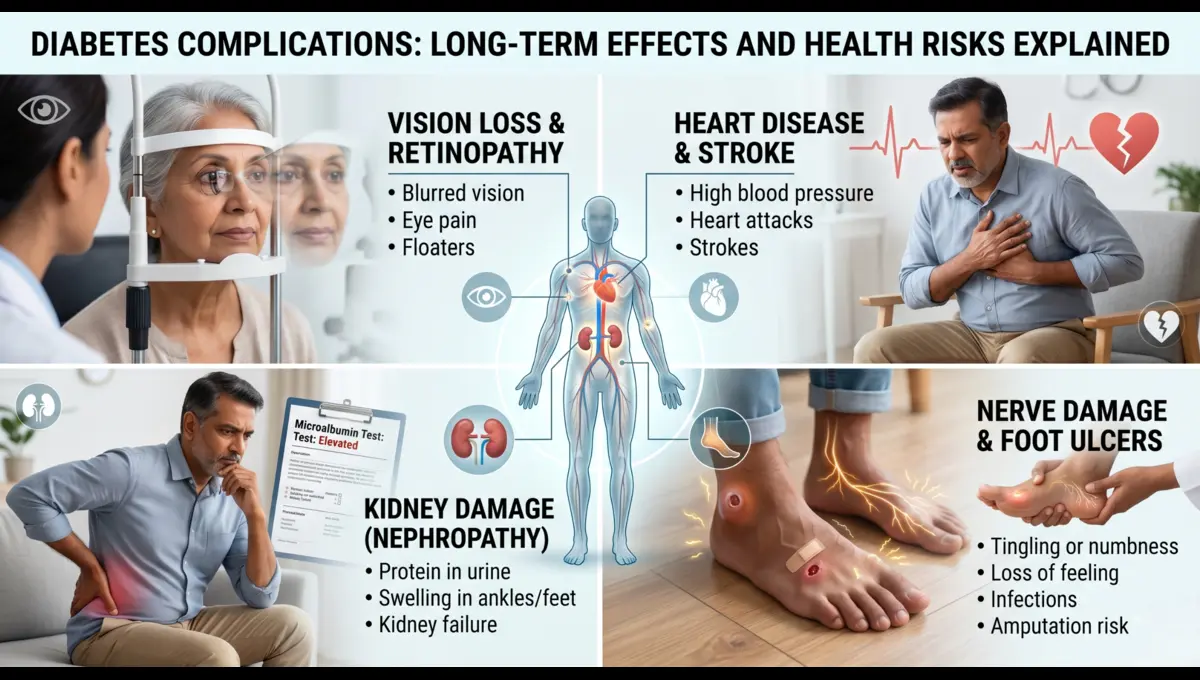
When blood sugar levels remain uncontrolled over time, they can damage vital organs and lead to severe long-term health risks. These issues primarily affect your heart, kidneys, eyes, and nerves, severely impacting your overall quality of life. Understanding diabetes complications is the first step toward effective management, as proactive medical care and lifestyle adjustments can significantly delay or entirely prevent these permanent outcomes.
Key Highlights / Quick Facts
- Target HbA1c levels: Maintain your HbA1c below 7% (or as advised by your physician) to minimize long-term organ damage.
- Fasting and post-meal targets: Aim for fasting blood sugar between 80-130 mg/dL and post-meal levels below 180 mg/dL.
- Crucial annual screenings: Schedule comprehensive annual check-ups for your eyes (dilated exam), kidneys (microalbumin test), and feet (neuropathy screening).
- Blood pressure control: Keeping blood pressure strictly under 130/80 mmHg is critical to protecting your heart and kidney function.
- Cholesterol management: Regular lipid profile monitoring is essential to prevent plaque buildup and sudden cardiovascular issues.
- Daily foot inspection: Check your feet every night for cuts, redness, or swelling to prevent severe infections and potential amputations.
- Diet and movement: A balanced diet rich in dietary fiber and 150 minutes of moderate weekly exercise are proven preventive medical measures.
- Medication adherence: Never skip prescribed anti-diabetic medications or insulin therapy, even if you feel perfectly healthy.
What Are Diabetes Complications and Why Do They Occur?
Diabetes complications are serious health problems that develop when chronic high blood sugar damages the body’s essential systems over months or years. They occur because excess glucose in the bloodstream acts as a slow-acting toxin to your delicate blood vessels and peripheral nerves.
This continuous internal damage impairs the ability of major organs to function correctly and heal from minor injuries. Risk factors like high blood pressure, elevated cholesterol, and a sedentary lifestyle further accelerate this cellular damage.
How High Blood Sugar Leads to Long-Term Diabetes Complications
Prolonged high blood sugar causes structural changes in the walls of your blood vessels, making them unusually thick and prone to leaking. This restricted blood flow deprives your body’s vital tissues of essential oxygen and required metabolic nutrients.
Over time, this microscopic vascular damage triggers widespread inflammation and oxidative stress throughout the body. These biological disruptions are the primary physiological drivers behind long-term health issues across different organ systems.
Early Signs of Diabetes Complications You Should Not Ignore
Recognizing early warning signs can save you from irreversible organ damage and complex medical treatments. Symptoms like unexplained blurred vision, frequent urination, or persistent daily fatigue often indicate that blood sugar levels are poorly managed.
You might also notice tingling or numbness in your hands and feet, which points directly to early nerve damage. Swelling in the ankles or face can be a crucial indicator of declining kidney function, requiring immediate medical evaluation.
Short-Term vs Long-Term Diabetes Complications: What’s the Difference?
Short-term issues are acute medical emergencies that happen rapidly, such as dangerously low blood sugar (hypoglycemia) or diabetic ketoacidosis. These immediate crises require urgent medical intervention to stabilize the patient and prevent fatal outcomes.
In contrast, long-term diabetes complications develop gradually over several years of consistently uncontrolled glucose levels. While short-term issues are immediate and sudden, the long-term effects permanently alter organ function and require lifelong disease management strategies.
Common Long-Term Diabetes Complications Affecting the Heart and Blood Vessels
Cardiovascular disease remains the leading cause of mortality among people managing diabetes in India. The condition aggressively damages major blood vessels, doubling the risk of silent heart attacks and strokes compared to the general population.
Conditions like atherosclerosis, where arteries narrow due to fatty plaque buildup, progress much faster in diabetic individuals. Managing these vascular conditions requires strict control of blood pressure, managing lipid profiles, and sharply reducing daily sodium intake.
Diabetes Complications in Kidneys (Diabetic Nephropathy) Explained
The human kidneys contain millions of tiny blood vessel clusters that meticulously filter waste and excess fluid from your blood. High sugar levels overwork these biological filters, causing them to degrade and leak vital blood proteins into the urine.
This condition is one of the most severe diabetes complications and serves as a leading cause of end-stage chronic kidney disease. Routine clinical urine tests for microalbumin are absolutely essential to catch early kidney damage before it progresses to irreversible kidney failure.
Eye Problems and Vision Loss: Diabetes Complications You Should Know
Chronically uncontrolled blood sugar can severely damage the delicate blood vessels located in the retina, leading to a disease called diabetic retinopathy. Initially, this condition might cause mild vision blurring, but it can rapidly progress to permanent, irreversible blindness.
Other related eye conditions include a significantly higher risk of developing cataracts and glaucoma at a much younger age. Annual comprehensive eye examinations with pupil dilation are mandatory preventive measures for anyone living with a diabetes diagnosis.
Nerve Damage (Diabetic Neuropathy): A Major Diabetes Complication
Excess blood glucose actively injures the fragile walls of the microscopic blood vessels that nourish your nerves, particularly in the lower extremities. This cellular injury leads to diabetic neuropathy, characterized by severe tingling, burning sensations, sharp pain, or a complete loss of tactile feeling.
Because of this specific condition, individuals might step on a sharp object or develop a deep blister without feeling any physical pain. Furthermore, autonomic nerve damage can silently disrupt the digestive system, heart rate regulation, and normal sexual function.
Foot Problems and Infections: Serious Diabetes Complications in Daily Life
The dangerous combination of advanced nerve damage and poor blood circulation makes diabetic feet highly vulnerable to severe structural issues. A simple skin cut or tight shoe bite can easily go unnoticed, fail to heal properly, and quickly develop into a deep, open ulcer.
These untreated ulcers are notorious medical issues that frequently lead to severe, deep-tissue bone infections. In extreme but common cases, these persistent infections necessitate surgical limb amputation to prevent systemic sepsis and save the patient’s life.
How Diabetes Complications Affect Brain Health and Mental Well-Being
Living with a demanding chronic condition places a heavy psychological burden on patients, frequently leading to diabetes distress, severe anxiety, and clinical depression. Beyond emotional health, violently fluctuating daily sugar levels can physically impair cognitive function and short-term memory.
Extensive medical research also links severe uncontrolled sugar to a substantially higher risk of developing vascular dementia and Alzheimer’s disease later in life. Protecting long-term brain health requires maintaining highly stable glucose levels and proactively seeking professional mental health counseling.
Can Diabetes Complications Be Prevented or Reversed? Practical Steps
While severe structural damage to internal organs cannot be completely reversed, the very early stages can often be halted or significantly delayed. Reversing the dangerous trajectory of diabetes complications relies entirely on aggressive, consistent, and scientifically backed blood sugar management.
Practical daily steps include strictly adhering to prescribed oral medications or insulin, losing excess body weight, and quitting all tobacco use entirely. Working closely with a qualified diabetologist and a registered clinical dietitian ensures a highly personalized and effective prevention protocol.
How to Reduce the Risk of Diabetes Complications: Daily Care and Monitoring
Proactive, disciplined daily management is unequivocally your strongest medical defense against progressive disease and organ failure. Carefully monitor your fasting and post-meal blood glucose at home using a calibrated glucometer to instantly catch dangerous physiological spikes.
To prevent these health risks, actively adopt lifestyle modifications incorporating at least 30 minutes of brisk daily walking and a diet high in natural fiber. Never skip your scheduled quarterly laboratory tests, as these objective clinical numbers critically guide your doctor in safely adjusting your treatment.
Read More: Diabetes Treatment Made Simple: Medicines, Insulin & Daily Habits

1 Comment
Pingback: Can Type 2 Diabetes Be Reversed Naturally? Complete Guide | Healthaxis.In