

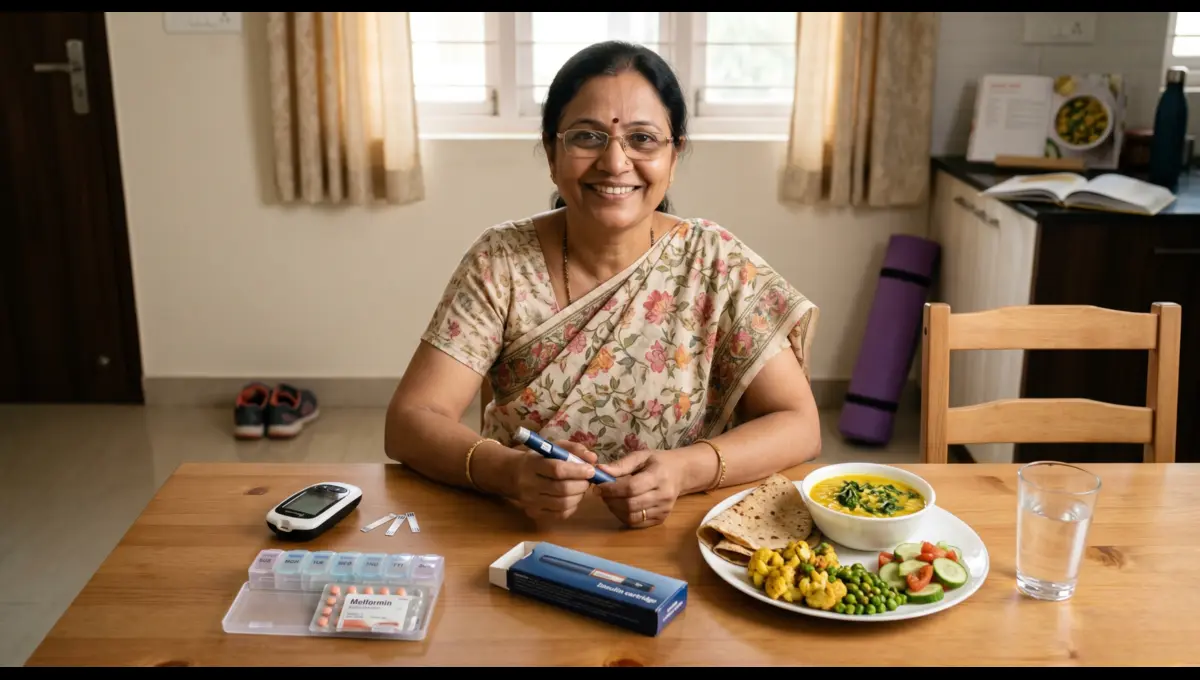
Managing high blood sugar effectively requires a comprehensive approach to Diabetes Treatment. This involves a combination of prescribed medications, insulin therapy if needed, and sustainable daily lifestyle habits. Effective management helps prevent severe complications like nerve damage, kidney failure, and heart disease. By understanding your specific condition and working closely with a doctor, you can maintain healthy blood glucose levels. This guide simplifies the essential components of care for the Indian context, focusing on practical dietary shifts, regular monitoring, and medical adherence.
Key Highlights / Quick Facts
- Type 1 vs. Type 2: Type 1 requires lifelong insulin therapy, while Type 2 usually starts with lifestyle modifications and oral medicines.
- Target Blood Sugar: For most adults, fasting blood sugar should be strictly maintained between 80 and 130 mg/dL.
- Indian Diet Focus: Shift away from refined carbohydrates like white rice and maida toward complex, high-fiber grains like millets, oats, and whole wheat.
- Exercise Guidelines: Aim for a minimum of 30 minutes of moderate aerobic exercise, such as brisk walking, at least five days a week.
- HbA1c Importance: Test your HbA1c every three months to assess your long-term blood sugar control accurately.
- Insulin Storage Rules: Unopened insulin must always be stored in the refrigerator between 2°C and 8°C, and should never be frozen.
- Routine Foot Care: Check your feet daily for cuts, blisters, or swelling, as elevated blood sugar impairs nerve function and delays wound healing.
What Is Diabetes Treatment and Why Is It Important?
Maintaining blood glucose levels within a healthy range is necessary to prevent severe and irreversible health complications. When your body cannot produce enough insulin or use it properly, sugar builds up in the blood, leading to devastating damage in your eyes, kidneys, peripheral nerves, and cardiovascular system. Consistent, proactive medical care ensures you can lead a vibrant, active life without facing these entirely preventable medical emergencies.
Types of Diabetes and How Treatment Approaches Differ
The medical approach varies fundamentally based on the exact type of condition you have been diagnosed with. Type 1 diabetes is an autoimmune condition requiring daily insulin injections for survival, as the pancreas produces absolutely no insulin on its own. In contrast, Type 2 is primarily linked to progressive insulin resistance, requiring an initial mix of oral medications, intensive dietary modifications, and sometimes supplemental insulin later on.
Diabetes Treatment Goals: Target Blood Sugar Levels Explained
The primary objective of any medical intervention is to keep your blood sugar levels as close to normal as safely possible. For most non-pregnant adults, the target fasting blood sugar level is between 80 and 130 mg/dL, while post-meal levels checked two hours after eating should ideally remain below 180 mg/dL. Additionally, your HbA1c, which measures average blood sugar over a three-month period, should generally be kept strictly below 7%.
Diabetes Treatment with Medicines: Common Oral Drugs and How They Work
Many individuals with Type 2 diabetes rely heavily on oral medications as a core structural component of their Diabetes Treatment. Metformin is typically the first-line drug prescribed because it highly efficiently reduces the amount of sugar produced by the liver while improving overall insulin sensitivity. Other standard drug classes include Sulfonylureas to stimulate rapid insulin release from the pancreas and DPP-4 inhibitors to help reliably lower blood sugar without causing unwanted weight gain.
When Is Insulin Needed in Diabetes Treatment? Key Signs and Indications
Insulin becomes medically necessary for everyone living with Type 1 diabetes and for many individuals managing progressive Type 2. If your HbA1c remains dangerously high despite taking multiple oral medications at maximum doses, your doctor will likely recommend transitioning directly to injections to protect your organs. Experiencing sudden weight loss, severe fatigue, or frequent urinary tract infections are also clear clinical indicators that your body urgently needs external insulin to function safely.
Types of Insulin Used in Diabetes Treatment and How to Take Them Safely
Therapy is highly customized by your endocrinologist, utilizing different specific types of insulin to accurately mimic the body’s natural baseline release patterns. Rapid-acting insulin is taken just before meals to manage sudden blood sugar spikes from carbohydrates, while long-acting insulin provides a steady, stable baseline level throughout the entire day. Proper injection technique is incredibly crucial, requiring you to actively rotate injection sites on your abdomen or thighs to prevent hard, painful lumps from forming under the skin.
Can Diabetes Be Controlled Without Medicines? Role of Lifestyle Changes
In the very early diagnostic stages of Type 2 diabetes or prediabetes, intensive lifestyle changes can sometimes act as the primary clinical intervention. Significant sustained weight loss, rigorous dietary adjustments, and consistent aerobic exercise can dramatically improve insulin sensitivity and lower blood sugar levels naturally. However, this transition must always be executed under strict medical supervision, as modifying or stopping prescribed medications abruptly is highly dangerous and can trigger medical emergencies.
Daily Habits for Effective Diabetes Treatment and Blood Sugar Control
Consistency in your daily scheduled routine is the absolute foundation of successful Diabetes Treatment and long-term metabolic health. Taking your prescribed medications at the exact same time each day actively helps maintain incredibly stable drug levels circulating in your bloodstream. You should also prioritize getting adequate restorative sleep and aggressively managing daily stress through yoga or meditation, as circulating stress hormones like cortisol actively cause blood sugar to spike.
Best Diet Plan for Diabetes Treatment: Indian Foods to Eat and Avoid
A thoughtfully balanced Indian diet focuses heavily on high-fiber regional foods like moong dal, chana, green leafy vegetables, and complex traditional grains like bajra or jowar. You must strictly and permanently limit refined carbohydrates like maida, polished white rice, traditional sweets, and sugary beverages, as they immediately cause massive blood sugar spikes. Proper portion control is equally vital, so try filling exactly half your lunch and dinner plate with non-starchy vegetables to manage your daily carbohydrate intake easily.
Exercise and Weight Management in Diabetes Treatment: What Works Best
Dedicated physical activity is a completely non-negotiable aspect of holistic, long-term blood sugar management. Aim for a healthy combination of daily aerobic exercises like brisk walking along with targeted strength training exercises twice a week, as building dense muscle tissue directly helps consume and lower circulating glucose levels. Even a relatively modest weight loss of just five to ten percent of your total body weight can significantly improve your metabolic markers and actively reduce your daily reliance on heavy medications.
Monitoring Blood Sugar at Home: Essential Part of Diabetes Treatment
Regularly and accurately checking your blood sugar at home using a calibrated glucometer allows you to actively see how well your plan is actually working. Keep a highly strict written log of your fasting and post-meal readings to help your primary doctor identify which specific Indian meals persistently cause your sugar to spike dangerously. Continuous Glucose Monitors (CGMs) are also becoming increasingly popular across India for providing incredibly detailed, real-time insights without requiring constant, painful finger pricks.
Common Mistakes in Diabetes Treatment and When to See a Doctor
A highly frequent and dangerous mistake is intentionally skipping medication doses simply because you feel physically fine, which silently damages your internal organs over time. Another common, critical error is relying exclusively on unverified herbal remedies instead of adhering strictly to scientifically proven, medically prescribed protocols. You should consult your doctor immediately if you experience persistent high glucometer readings, frequent dangerous episodes of low blood sugar, excessively slow-healing wounds, or sudden blurred vision.
Read More: Prediabetes: Symptoms, Causes, Prevention & Early Warning Signs

1 Comment
Pingback: Diabetes Complications: Long-Term Effects And Health Risks Explained | Healthaxis.In