

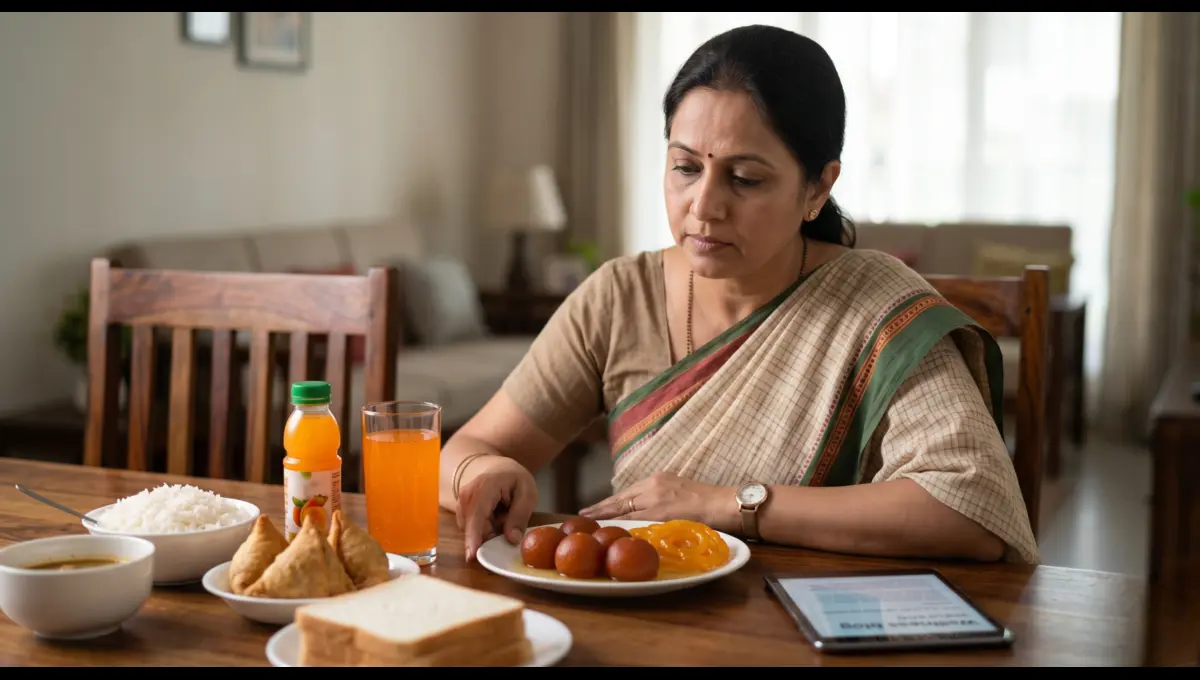
Managing blood sugar levels requires strict attention to your daily diet. The key to controlling Diabetes effectively is limiting foods that cause rapid spikes in blood glucose, such as refined carbohydrates, sugary beverages, and processed snacks. By understanding which foods negatively impact your health, you can make informed choices to prevent complications. This guide provides a comprehensive look at what to exclude from your meals and offers healthy alternatives suited for an Indian diet.
Key Highlights / Quick Facts
- Eliminate added sugars commonly found in commercially packaged fruit juices, sodas, and traditional sweets.
- Swap refined grains like maida and polished white rice for whole, fiber-rich grains such as oats, brown rice, or millets.
- Avoid trans fats and heavy saturated fats present in deep-fried Indian snacks like samosas, kachoris, and pakoras.
- Always read nutrition labels on packaged items to spot hidden sugars like high-fructose corn syrup, dextrose, or maltose.
- Limit high-glycemic fruits such as mangoes, chikoos, and grapes, opting for apples, berries, or guavas instead.
- Monitor portion sizes strictly, even when consuming healthy, whole-food meals.
- Stay hydrated with plain water, buttermilk, or unsweetened lemon water instead of commercially sweetened beverages.
Why Food Choices Matter in Diabetes Control and Management
What you eat directly dictates the glucose levels circulating in your bloodstream. Consuming simple carbohydrates and excess sugar overwhelms the body, leading to immediate spikes that insulin cannot efficiently manage.
Consistently poor dietary choices can cause chronic hyperglycemia. Over time, this uncontrolled condition damages blood vessels, nerves, and major organs, making daily dietary discipline non-negotiable for long-term health.
Foods to Avoid in Diabetes: What Raises Blood Sugar Quickly?
Items with a high glycemic index digest rapidly, releasing glucose into the blood almost instantly. This includes anything heavily processed, artificially sweetened, or stripped of its natural dietary fiber.
Sugary beverages, refined flour products, and starchy vegetables are the primary culprits. Minimizing these fast-acting carbohydrates is the crucial first step toward maintaining stable energy and glucose levels throughout the day.
High Sugar Foods to Avoid in Diabetes (Sweets, Drinks, Desserts)
Traditional Indian sweets like gulab jamun, jalebi, rasgulla, and barfi are loaded with concentrated sugar and ghee, posing an immediate threat to blood glucose control. These treats offer no nutritional value while drastically increasing your daily caloric intake.
Similarly, commercially sold cold drinks, energy drinks, and packaged fruit juices contain massive amounts of liquid sugar. Liquid calories are absorbed much faster than solid food, causing dangerous and rapid spikes in blood glucose.
Refined Carbohydrates and Processed Foods to Avoid in Diabetes
Refined grains have their bran and germ removed, stripping away the fiber that helps slow down glucose absorption. White bread, white pasta, and baked goods made from maida (refined wheat flour) fall strictly into this category.
When you consume these refined carbohydrates, your body processes them exactly like pure sugar. Substituting these with whole grain alternatives is essential for sustained energy and better metabolic function.
Fried and High-Fat Foods That Worsen Diabetes Risk
Deep-fried items such as bhaturas, puris, and packaged namkeens are high in unhealthy trans fats and refined carbohydrates. These fats promote systemic inflammation and contribute heavily to insulin resistance.
Insulin resistance means your cells cannot effectively use the insulin your body produces or receives. Avoiding these high-fat, deep-fried snacks helps protect cardiovascular health, which is particularly vulnerable under these metabolic conditions.
Packaged and Junk Foods to Avoid in Diabetes (Hidden Sugars Explained)
Packaged snacks like biscuits, instant noodles, and flavored yogurts often hide immense amounts of added sugar and sodium. Manufacturers use different chemical names for sugar, such as dextrose, sucrose, or malt syrup, to disguise the actual sweetening content.
Even products heavily marketed as healthy or diet-friendly frequently contain artificial sweeteners and chemical preservatives that can disrupt gut health. Always scrutinize ingredient lists before adding packaged items to your grocery cart.
Fruits to Limit or Avoid in Diabetes: What You Should Know
While fruits contain essential vitamins and minerals, certain varieties are exceptionally high in natural sugars and have a high glycemic index. Overindulging in seasonal favorites like mangoes, lychees, custard apples, and overripe bananas can elevate blood sugar rapidly.
Fruit juices, even freshly squeezed ones without added sugar, should be entirely eliminated from your daily routine. Juicing removes the beneficial dietary fiber, leaving behind a concentrated source of fructose that shocks your system.
Common Indian Foods to Avoid in Diabetes for Better Control
A typical Indian diet often relies heavily on white rice, potatoes, and flatbreads made from refined flour. Regular consumption of large portions of white rice paired with potato-based curries significantly hinders blood glucose management.
Additionally, heavily sweetened tea or coffee, which is a morning and evening staple in most Indian households, adds unnecessary empty calories. Transitioning to unsweetened beverages and substituting potatoes with fiber-rich vegetables like bitter gourd (karela) or beans is highly recommended.
How to Identify Hidden Sugar and Unhealthy Ingredients in Foods
Reading nutritional labels is a critical skill for anyone managing their blood glucose. Ingredients are always listed in descending order by weight, so if a type of sugar is among the first three items, the product is highly sweetened.
Look out for syrups, molasses, and chemical words ending in “ose” like fructose, maltose, or sucrose. Pay close attention to the serving size as well, because companies often list deceptively low sugar amounts for unrealistically small portions.
What Happens If You Regularly Eat Foods to Avoid in Diabetes?
Consistently eating the wrong foods leads to frequent and severe blood sugar fluctuations. This chronic state of elevated glucose can cause immediate symptoms like extreme fatigue, frequent urination, extreme thirst, and blurred vision.
In the long term, ignoring dietary guidelines accelerates the risk of severe systemic complications. These include cardiovascular disease, chronic kidney failure, painful neuropathy, and irreversible vision loss.
Healthy Alternatives to Replace Foods to Avoid in Diabetes
Replacing harmful foods with nutrient-dense options does not mean sacrificing taste or cultural preferences. Swap white rice for quinoa, brown rice, or pearl millet (bajra) to significantly increase your daily fiber intake.
Instead of deep-fried snacks, choose roasted chana, unsalted almonds, walnuts, or a small bowl of mixed sprouts. For sweet cravings, a handful of fresh berries or a slice of apple sprinkled with cinnamon provides a safe and highly satisfying alternative.
Practical Diet Tips to Manage Diabetes and Control Blood Sugar
Focus on the plate method by filling half your plate with non-starchy vegetables, a quarter with lean protein, and a quarter with complex carbohydrates. Eating your fiber-rich vegetables and protein before touching your carbohydrates can significantly reduce post-meal glucose spikes.
Establish a consistent eating schedule to prevent massive fluctuations in your energy levels and hunger hormones. Combining a balanced, strictly monitored diet with regular physical activity, like a daily 30-minute brisk walk, remains the most effective strategy for long-term health.
Read More: Can Diabetics Eat Rice? Best Types, Portion, and Sugar Impact

1 Comment
Pingback: Best Fruits For Diabetes: Low Sugar Fruits For Blood Sugar Control | Healthaxis.In