

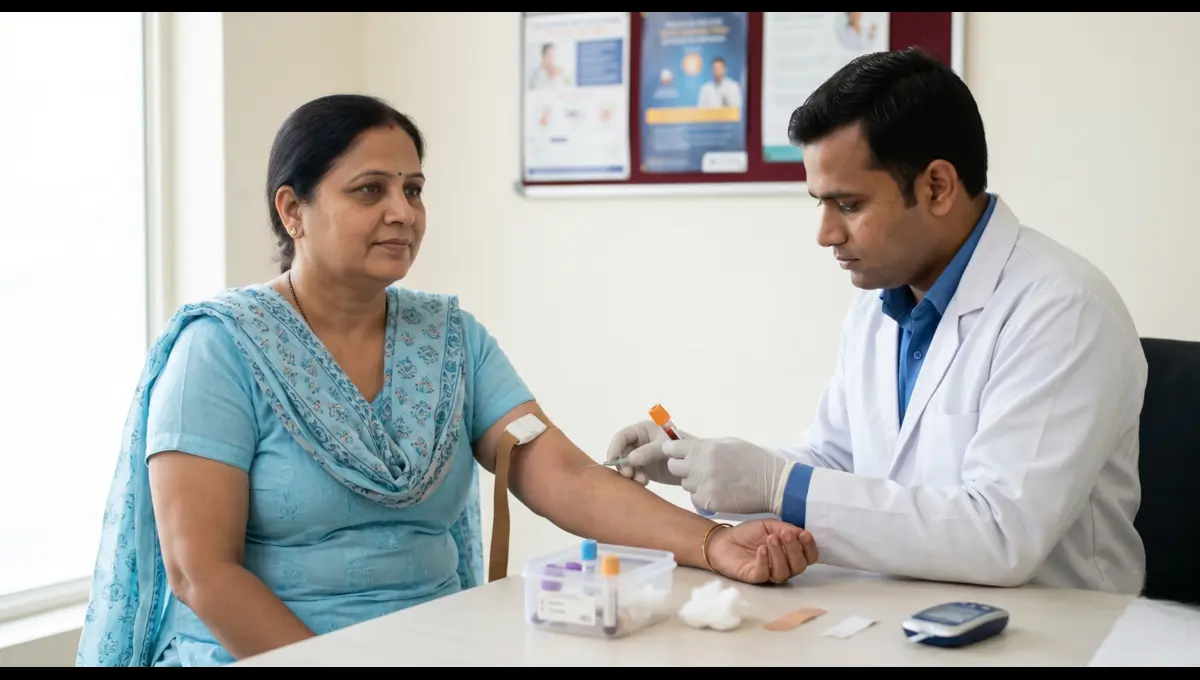
A Diabetes Diagnosis Test is a medical assessment used to measure blood glucose levels and determine if a person has prediabetes, type 1, type 2, or gestational diabetes. Early detection through these clinical evaluations allows patients to manage their condition effectively and prevent severe long-term complications. In India, where metabolic disorders are rising rapidly due to genetic predisposition and lifestyle changes, understanding these screenings is crucial for proactive health management. This guide covers the different test types, how to interpret your results, and when to consult a healthcare professional.
Key Highlights / Quick Facts
- Fasting requirement: Most primary glucose assessments require a strict overnight fast of 8 to 12 hours for accurate baseline readings.
- HbA1c convenience: The HbA1c method provides a three-month average of your blood sugar levels and does not require any fasting.
- Normal fasting range: A healthy fasting blood sugar result is typically below 100 mg/dL.
- High-risk groups in India: Individuals over the age of 35, those with a high BMI, or people with a family history of metabolic disorders should get screened annually.
- Gestational screening: Pregnant women generally undergo mandatory glucose testing between 24 and 28 weeks of pregnancy.
- Symptom triggers: Symptoms like frequent urination, extreme thirst, and unexplained weight loss are strong indicators to get tested immediately.
What Is a Diabetes Diagnosis Test and Why Is It Important?
A Diabetes Diagnosis Test evaluates the exact concentration of glucose present in your bloodstream at a given time. It serves as the primary medical tool to identify metabolic disorders before they cause irreversible damage to vital organs like the heart, kidneys, or eyes.
Taking this assessment on time is particularly important for the Indian population, which has a well-documented genetic predisposition to insulin resistance and earlier onset of type 2 diabetes. Early screening drastically reduces the risk of diabetic neuropathy and serious cardiovascular diseases.
Who Should Take a Blood Sugar Screening and When?
Healthcare professionals and medical guidelines strongly recommend routine screening for adults once they cross the age of 35. Individuals with a sedentary lifestyle, high blood pressure, or a direct family history of high blood sugar should proactively begin testing in their twenties.
You should also schedule a Diabetes Diagnosis Test immediately if you experience acute physical warning signs. These critical symptoms include chronic daytime fatigue, suddenly blurred vision, or cuts and wounds that take unusually long to heal.
Types of Diabetes Diagnosis Tests: Fasting, HbA1c, and Glucose Tests
Doctors rely on a variety of proven pathological methods to evaluate your blood glucose levels with absolute clinical accuracy. The most common types of a Diabetes Diagnosis Test include the standard fasting blood glucose evaluation, the HbA1c assessment, and the oral glucose tolerance test.
Your healthcare provider or diabetologist will determine the specific screening you need based on your physical symptoms and ongoing medical history. Often, doctors will prescribe a combination of these tests to confirm a diagnosis conclusively.
Fasting Blood Sugar Test: How It Works and Normal Levels
The fasting blood sugar test requires you to completely abstain from eating or drinking anything except plain water for at least eight to ten hours. This specific Diabetes Diagnosis Test provides an essential baseline measurement of your glucose levels before daily food intake naturally spikes your blood sugar.
A perfectly normal result for a healthy adult is typically under 100 mg/dL. Conversely, a reading of 126 mg/dL or higher recorded on two separate testing days officially indicates a diabetic condition.
HbA1c Test: Long-Term Blood Sugar Levels Explained
The HbA1c test measures the percentage of blood sugar that has successfully attached to your hemoglobin over the past two to three months. Unlike other common methods, this specific Diabetes Diagnosis Test does not require overnight fasting and can easily be taken at any time of the day.
A normal and healthy HbA1c level is considered to be below 5.7%. A result falling between 5.7% and 6.4% indicates prediabetes, whereas a level of 6.5% or higher confirms chronic high blood sugar.
Oral Glucose Tolerance Test (OGTT): Procedure and Results
The OGTT is a highly comprehensive Diabetes Diagnosis Test that directly measures how efficiently your body processes a heavy sugar load. After an initial baseline fasting test is completed, you consume a specifically formulated sugary liquid, and your blood is drawn periodically over the next two hours.
A two-hour reading strictly below 140 mg/dL is considered normal and healthy. Because it measures active insulin response, this procedure is highly effective for identifying severe insulin resistance that other tests might miss.
Random Blood Sugar Test: When and Why It Is Used
A random blood sugar test involves drawing a blood sample at any given time of the day, regardless of when you last ate a meal. Doctors frequently utilize this rapid Diabetes Diagnosis Test in emergency clinic settings when a patient exhibits severe and sudden diabetic symptoms.
If the random test result yields 200 mg/dL or higher, it strongly suggests clinical diabetes. This abnormal result usually requires immediate follow-up testing with a fasting or HbA1c method to secure a formal diagnosis.
What Are Normal, Prediabetes, and Diabetes Test Results?
Understanding the specific reference ranges for your Diabetes Diagnosis Test is crucial for actively managing your metabolic health. Normal fasting glucose levels are below 100 mg/dL, while the prediabetes window falls dangerously between 100 and 125 mg/dL.
Any diagnostic screening yielding a fasting result of 126 mg/dL or an HbA1c of 6.5% or higher places the patient firmly in the diabetic category. Receiving a prediabetes diagnosis is a critical warning sign that immediate lifestyle and dietary interventions are necessary.
How to Prepare for a Diabetes Diagnosis Test for Accurate Results
Proper preparation is absolutely essential to ensure your laboratory assessment provides accurate and reliable clinical data. If a fasting Diabetes Diagnosis Test is required, you must strictly avoid all food, tea, coffee, and caloric beverages for the recommended eight to twelve hours.
Additionally, you must inform your doctor about any regular medications or supplements you take daily. Certain prescription steroids, antidepressants, or diuretic medications can temporarily elevate your blood sugar readings and cause a misleading result.
Can These Screenings Detect Type 1, Type 2, and Gestational Diabetes?
Yes, a standard clinical glucose evaluation can successfully identify the presence of all major forms of the disease. While the core blood glucose levels are measured similarly, doctors may order specific autoantibody blood work alongside your primary Diabetes Diagnosis Test to accurately differentiate between Type 1 and Type 2.
Pregnant women are given a highly specialized version of the OGTT to specifically diagnose gestational diabetes. This maternal screening usually takes place between their 24th and 28th week of pregnancy to ensure fetal safety.
Common Mistakes and Factors That Affect Blood Sugar Test Results
Several temporary external factors can inadvertently skew the clinical results of your lab work, leading to false positives or negatives. High psychological stress levels, a severe lack of sleep, or an acute illness like a viral infection can trigger hormones that temporarily raise your blood sugar levels.
Failing to fast for the full required duration is the most common patient error that invalidates a standard fasting Diabetes Diagnosis Test. Consuming even a small amount of milk in your morning tea will drastically alter your baseline glucose reading.
When to Repeat a Diabetes Diagnosis Test and Consult a Doctor
A single abnormal laboratory reading does not automatically confirm a chronic, lifelong health condition. Doctors universally mandate a follow-up Diabetes Diagnosis Test on a completely different day to verify the initial elevated results and ensure absolute clinical accuracy.
If your repeated evaluations consistently confirm prediabetes or diabetes, you must consult a physician or endocrinologist immediately. A specialist will help you outline a personalized Indian diet plan, a safe exercise routine, and the appropriate medication to manage your blood sugar effectively.
Read More: How Diabetes Affects the Body: Organs, Symptoms, and Risks

1 Comment
Pingback: Fasting Vs Random Sugar In Diabetes: Levels, Differences, Results | Healthaxis.In