

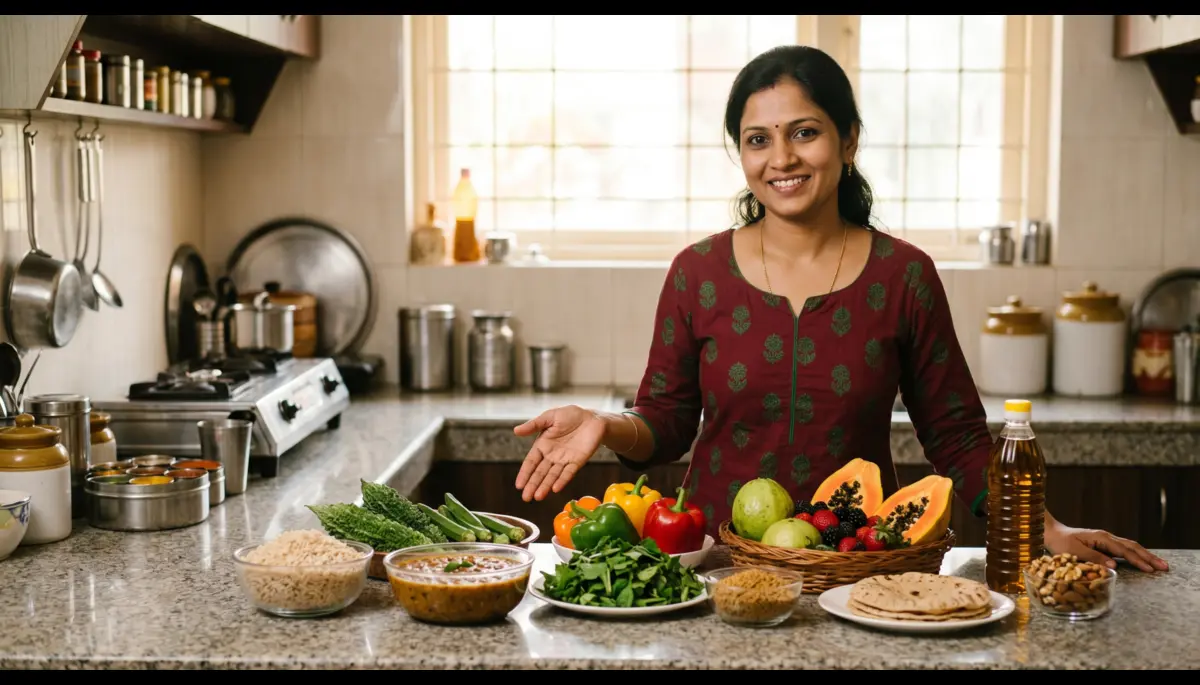
Managing your daily nutrition is the most effective way to regulate blood sugar levels and prevent unexpected metabolic spikes. Consuming foods with a low glycemic index and high dietary fiber slows down digestion, ensuring glucose is released steadily into your bloodstream. This article provides a comprehensive guide to the best low-sugar Indian foods that support long-term metabolic health. By making smart dietary choices, you can maintain consistent energy and reduce the risk of future metabolic complications.
Key Highlights / Quick Facts
- Focus on whole grains: Replace refined carbohydrates with complex options like oats, bajra, ragi, and jowar.
- Prioritize lean protein: Include local staples like dal, paneer, and lean meats to slow glucose absorption.
- Increase dietary fiber: Consuming more green vegetables and legumes prevents sudden spikes in your blood sugar levels.
- Watch portion sizes: Even incredibly healthy, low-glycemic foods can cause issues if consumed in excessive quantities.
- Stay perfectly hydrated: Drinking plenty of water throughout the day helps your kidneys flush out excess glucose.
- Check the Glycemic Index (GI): Always attempt to choose foods with a GI score of 55 or lower.
- Avoid hidden sugars: Carefully read ingredient labels on packaged foods, including savory sauces and commercial juices.
How Food Choices Help Maintain Healthy Blood Sugar Levels
What you eat directly determines how much glucose enters your bloodstream after a meal. Foods rich in simple carbohydrates digest rapidly, causing an immediate surge in your glucose levels. The body then has to overproduce insulin to quickly manage this heavy load.
Conversely, foods containing complex carbohydrates, healthy fats, and proteins take much longer for the stomach to break down. This delayed digestion provides a sustained release of energy rather than a sudden, damaging spike. Consistently choosing the right foods improves overall insulin sensitivity, making it easier for your body to manage energy naturally.
Low Blood Sugar Foods List: Best Options for Daily Diet (Indian Foods)
Creating a traditional Indian diet that regulates glucose is highly achievable and affordable. Focus on incorporating local, unrefined ingredients into your daily meals instead of relying on heavily processed alternatives.
- Whole grains and millets: Ragi, jowar, bajra, and whole wheat offer excellent sustained energy.
- Legumes and pulses: Moong dal, chana, and rajma are incredibly rich in both plant-based protein and dietary fiber.
- Dairy options: Unsweetened yogurt (dahi) and buttermilk (chaas) are excellent for gut health and safe for your blood sugar.
- Healthy fats: Almonds, walnuts, flaxseeds, and mustard oil help slow down the digestive process.
These regional staples ensure your daily meals are culturally familiar and strictly nutritionally balanced.
Low-Glycemic-Index Foods for Stable Blood Sugar Explained
The Glycemic Index (GI) scientifically measures how quickly a specific food raises your blood sugar. Foods are ranked on a standardized scale of zero to one hundred, with pure liquid glucose scoring the absolute maximum. Understanding this scale is critical for making informed dietary choices.
Low GI foods score 55 or less and are digested very slowly, preventing rapid systemic glucose spikes. Excellent examples of low GI Indian foods include pearl barley (jau), lentils, chickpeas, and most non-starchy green vegetables. Incorporating these specific items into your meals ensures a gradual release of energy.
High Fiber Foods That Help Control Blood Sugar Naturally
Fiber is a unique carbohydrate that the human digestive system cannot completely break down. Soluble fiber, found heavily in foods like oats and fenugreek seeds (methi), dissolves in water to form a thick gel in the gut.
This internal gel drastically slows down the digestion of surrounding carbohydrates and the absorption of glucose. Additionally, insoluble fiber from whole wheat and leafy greens adds necessary bulk to your diet, promoting better overall digestive health. Regular consumption of high-fiber foods is absolutely crucial for maintaining optimal metabolic management.
Best Protein-Rich Foods for Better Blood Sugar Balance
Protein is a macronutrient that does not cause a significant increase in blood sugar when consumed on its own. Instead, it strongly promotes feelings of satiety and slows stomach emptying, which effectively delays carbohydrate absorption. This makes it a vital tool for glucose management.
For vegetarians, excellent high-quality protein sources include fresh paneer, tofu, diverse lentils, and sprouted moong beans. Non-vegetarians can easily benefit from whole eggs, local fish, and lean skinless chicken breast. Pairing a carbohydrate-rich food with protein is a highly effective strategy for blunting post-meal glucose spikes.
Fruits and Vegetables That Support Healthy Blood Sugar Levels
It is important to remember that not all fruits and vegetables impact your blood sugar in the exact same way. Non-starchy vegetables must form the absolute foundation of your daily diet due to their low-calorie and high-fiber content.
- Top vegetables: Spinach (palak), bitter gourd (karela), bottle gourd (lauki), broccoli, and cauliflower are excellent choices.
- Best fruits: Berries, green apples, guavas, and papayas possess lower glycemic loads and are rich in protective antioxidants.
Always prioritize consuming whole, fresh fruits rather than drinking their juices, as mechanical juicing strips away beneficial dietary fiber.
Foods to Avoid That Can Spike Blood Sugar Quickly
Certain common foods cause immediate and rapid increases in systemic glucose levels and should be strictly limited. Refined, heavily processed carbohydrates are the primary dietary culprits in modern urban diets.
- Processed grains: White rice, maida (refined flour), and commercial white bread digest incredibly fast, offering zero sustained energy.
- Sugary beverages: Soda, packaged fruit juices, and heavily sweetened tea deliver concentrated sugar without any buffering fiber.
- Sweet treats: Traditional Indian sweets (mithai), bakery cakes, and milk chocolates cause immediate and dangerous glucose spikes.
Completely avoiding these highly processed items is the critical first step toward achieving a healthy metabolic profile.
How to Build a Balanced Diet Using Low Blood Sugar Foods
Designing a perfectly balanced plate is the most practical method for effective metabolic regulation. A very simple visual method is to carefully divide your standard dining plate into specific nutritional categories. This entirely removes the need for complex calorie counting.
Fill exactly half of your plate with non-starchy vegetables like leafy greens and local gourds. Dedicate one solid quarter to lean proteins like thick dal or grilled fish, and the final quarter to complex carbohydrates like brown rice or whole millets. Cooking daily meals with moderate amounts of healthy fats, such as pure ghee, further enhances the stabilizing effect.
Common Mistakes to Avoid While Choosing Blood Sugar-Friendly Foods
Many well-intentioned individuals unknowingly sabotage their strict diets by making avoidable everyday errors very easily. One extremely common mistake is completely ignoring portion sizes, as even low-glycemic foods can cause major issues if eaten in massive quantities.
Another frequent dietary error is relying too heavily on zero-calorie artificial sweeteners, which can negatively impact gut bacteria and baseline insulin sensitivity over time. Finally, casually skipping meals often leads to severe drops in circulating glucose, followed by intense overeating and subsequent rapid spikes. Absolute consistency in daily meal timing and portion control is vital.
Can Low Blood Sugar Foods Help Prevent Diabetes?
Actively adopting a proactive diet focused on regulating glucose is a highly powerful preventative measure against developing type 2 diabetes. By constantly eating natural foods that digest slowly, you significantly reduce the daily workload placed on your pancreas.
This careful dietary management prevents the pancreas from chronically overproducing insulin, a dangerous condition that eventually leads to cellular insulin resistance. While family genetics certainly play a role, your daily lifestyle choices remain the most significant modifiable risk factor. Consistently prioritizing low-glycemic, unrefined whole foods dramatically lowers your long-term risk of developing chronic metabolic disorders.
Simple Lifestyle Tips to Support Healthy Blood Sugar Control
Your daily diet alone is just one single component of a truly holistic approach to lifelong metabolic health. Regular physical activity, such as a brisk 30-minute evening walk, helps your active muscles use circulating glucose for immediate energy.
Actively managing mental stress through daily yoga or quiet meditation heavily reduces the bodily release of cortisol, a stress hormone that increases glucose levels. Additionally, securing seven to eight uninterrupted hours of high-quality sleep every single night drastically improves baseline insulin sensitivity. Combining a highly nutritious, targeted diet with these active lifestyle habits provides the best defense against metabolic imbalance.
Read More: Best Diet for Diabetes: Indian Foods, Meal Plan, and Tips
