

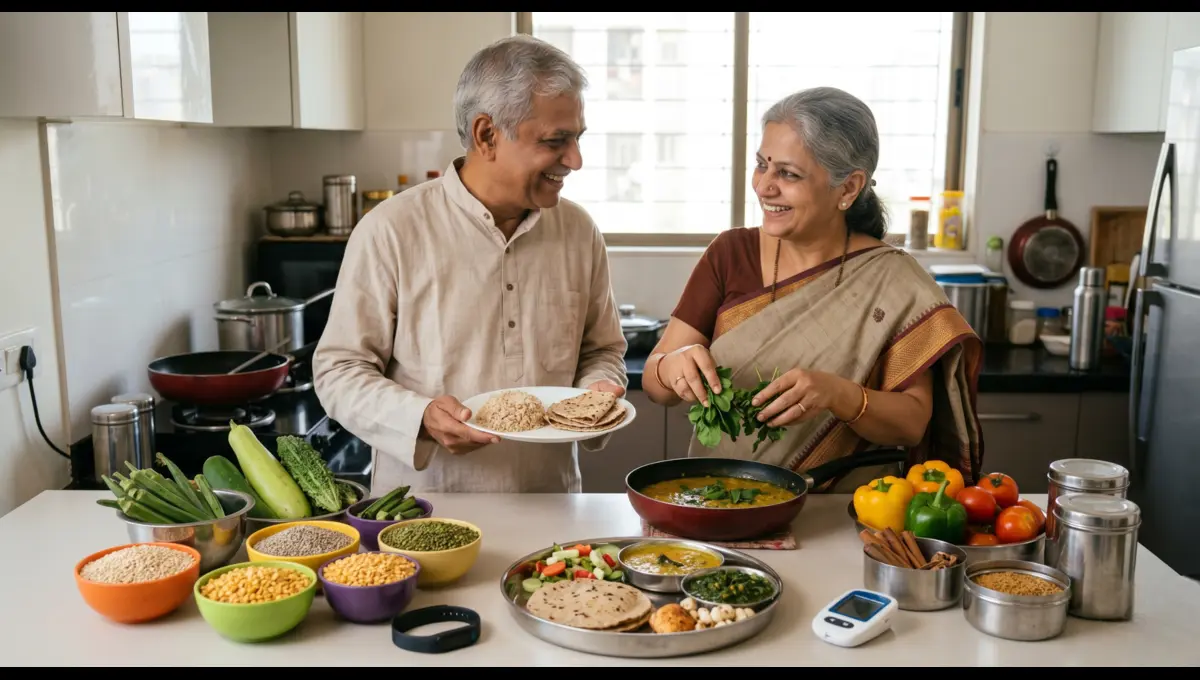
Managing blood sugar effectively starts with choosing the right foods that balance daily nutrition without causing sudden glucose spikes. A well-planned Diet for Diabetes tailored to Indian eating habits focuses on incorporating whole grains, fresh vegetables, and lean proteins while actively minimizing refined carbs and added sugars. By understanding portion sizes and the glycemic index of traditional Indian ingredients, individuals can maintain healthy glucose levels. This guide provides a comprehensive overview of managing your health through everyday dietary choices.
Key Highlights / Quick Facts
- Prioritize low-glycemic-index (GI) foods like millets, oats, and whole pulses.
- Limit refined carbohydrates such as white rice, maida (refined flour), and added sugar.
- Ensure every meal includes protein, such as dal, paneer, or lean meat to stabilize energy.
- Practice portion control to avoid overloading the body with excess carbohydrates at once.
- Eat small, frequent meals rather than three large ones to maintain steady blood sugar levels.
- Stay hydrated by drinking plenty of water and avoiding sugary beverages or packaged fruit juices.
- Pair carbohydrates with fiber-rich vegetables to slow down glucose absorption in the bloodstream.
How a Diet for Diabetes Helps Control Blood Sugar Levels
When you consume carbohydrates, your digestive system breaks them down into glucose, which enters your bloodstream. A structured Diet for Diabetes focuses on complex carbohydrates and high-fiber foods that digest slowly. This slow digestion prevents sudden spikes and crashes in blood glucose, making it significantly easier for your body’s insulin to work effectively.
Consistently eating the right foods reduces cellular inflammation and improves insulin sensitivity. By adhering to a calculated Diet for Diabetes, you prevent your pancreas from overworking. Long-term adherence lowers the risk of severe complications like neuropathy and cardiovascular disease.
Foods to Eat in a Diet for Diabetes (Healthy Indian Options)
A traditional Indian kitchen is full of incredibly nutritious ingredients perfect for managing blood sugar. Focus on whole grains like jowar, bajra, ragi, and whole wheat instead of easily digestible refined grains. Incorporate plenty of green leafy vegetables like spinach, fenugreek (methi), and mustard greens (sarson) into your daily meals.
Rely on healthy plant proteins such as chana, moong dal, rajma, and tofu to keep you energized throughout the day. Healthy fats derived from mustard oil, almonds, and walnuts are also essential to a balanced Diet for Diabetes. Integrating traditional spices like cinnamon and fenugreek seeds further assists in naturally lowering blood sugar.
Foods to Avoid in a Diet for Diabetes to Prevent Sugar Spikes
Certain commonly consumed foods cause rapid increases in blood sugar and should be strictly limited. Refined flours (maida), white bread, and white rice lack essential dietary fiber, causing immediate glucose spikes. Avoid sweetened beverages, packaged fruit juices, and traditional Indian sweets like gulab jamun or jalebi entirely.
It is crucial to limit the intake of starchy vegetables like potatoes and colocasia (arbi). Processed foods and deep-fried snacks like samosas negatively impact any Diet for Diabetes and compromise heart health. Carefully reading food labels helps you spot hidden sugars and unhealthy fats in packaged goods.
Best Indian Meal Plan for a Balanced Diet for Diabetes
A structured daily meal plan helps maintain consistency in your calorie and carbohydrate intake. Start your morning with methi water, followed by a nutritious breakfast of vegetable upma, moong dal chilla, or ragi dosa. For lunch, combine two multigrain rotis with dal, a low-starch sabzi like bhindi or lauki, and a fresh green salad.
Your evening snack can include a handful of roasted makhana (fox nuts) or boiled moong sprouts. For dinner, keep meals light with vegetable soup, grilled paneer, and a small portion of dalia (broken wheat). This daily structure ensures your Diet for Diabetes remains balanced, effective, and culturally relevant.
Low-Glycemic-Index Foods in a Diet for Diabetes Explained
The Glycemic Index (GI) scientifically measures how quickly a specific food raises blood sugar levels. Foods with a low GI (55 or less) digest slowly, providing a steady release of energy into the bloodstream. Relying heavily on low-GI items is a foundational rule of an effective Diet for Diabetes.
Excellent low-GI Indian foods include whole green moong, chickpeas, barley, and non-starchy vegetables. Choosing these over high-GI foods like white rice helps keep your glucose levels highly stable. Replacing high-GI carbs with low-GI alternatives naturally reduces sugar cravings and post-meal sluggishness.
How Portion Control and Meal Timing Affect a Diet for Diabetes
Even exceptionally healthy foods can cause unwanted blood sugar spikes if consumed in large quantities. Portion control ensures you get essential nutrients without overwhelming your body with excess carbohydrates. Using a smaller dining plate and filling half of it with vegetables is a highly effective strategy to manage portions.
Meal timing is equally crucial for long-term success when following a Diet for Diabetes. Eating at regular intervals prevents sudden, dangerous drops in blood sugar (hypoglycemia) and stops overeating. Eating dinner at least two hours before bedtime gives your body ample time to digest carbohydrates before sleep.
Best Fruits, Vegetables, and Grains for Diabetes Control
Fruits are packed with vitamins but contain natural sugars, meaning strict moderation is required. Berries, apples, guavas, papayas, and citrus fruits are excellent choices for a Diet for Diabetes because of their high fiber content. Conversely, avoid fruits with a high glycemic index, such as mangoes, chikoo, and grapes, or consume them in carefully monitored portions.
Highly prioritize vegetables like bitter gourd (karela), bottle gourd (lauki), and broccoli to maximize your nutrient intake. When selecting grains, replace regular white rice with brown rice, quinoa, or traditional Indian millets. Including these specific foods in your Diet for Diabetes ensures dense nutrition without compromising glucose stability.
Common Mistakes to Avoid in a Diet for Diabetes
Many people mistakenly eliminate all carbohydrates from their meals, leading to extreme weakness and nutritional deficiencies. Instead of banning carbs, focus entirely on choosing complex carbs over simple sugars. Another pervasive error is replacing white sugar with jaggery or honey, unaware that these alternatives still significantly raise blood glucose.
Skipping meals, especially a protein-rich breakfast, is a critical mistake that disrupts blood sugar control for the rest of the day. A successful Diet for Diabetes requires daily consistency, meaning you should never starve yourself. Avoiding these pitfalls ensures your dietary interventions produce positive, lasting health outcomes.
Can a Diet for Diabetes Help Reverse or Prevent Diabetes?
While type 1 diabetes is an autoimmune condition that cannot be reversed, type 2 diabetes can often be pushed into remission through strict dietary management. A highly disciplined, calorie-conscious Diet for Diabetes drastically reduces visceral fat, lowers insulin resistance, and allows the pancreas to function efficiently. Achieving remission requires ongoing commitment to these healthy eating habits.
For individuals recently diagnosed with prediabetes, immediate dietary intervention prevents the onset of full-blown diabetes. By maintaining a healthy body weight and eating balanced meals, you significantly reduce long-term health risks. Implementing a preventative Diet for Diabetes early actively adds years of quality life.
Simple Lifestyle Tips to Support a Healthy Diet for Diabetes
Nutritional changes must be actively paired with a physically active lifestyle for optimal results. Commit to engaging in at least 30 to 45 minutes of moderate exercise, such as brisk walking or yoga, five days a week. Consistent physical activity helps muscle cells use insulin effectively, complementing your daily Diet for Diabetes.
Additionally, prioritize getting 7 to 8 hours of quality sleep, as chronic sleep deprivation sharply increases systemic insulin resistance. Actively managing daily stress through meditation or deep breathing exercises is also vital. High stress levels trigger cortisol, a hormone that directly and negatively elevates blood sugar levels.
When to Consult a Doctor or Nutritionist for a Diabetes Diet Plan
If you continuously struggle to keep your fasting or post-meal blood sugar levels within the target range despite eating well, seek professional guidance. A certified clinical nutritionist can completely customize a Diet for Diabetes based on your age, weight, medical history, and regional cultural preferences. They easily identify hidden nutritional gaps in your current eating habits.
Urgently consult your doctor if you experience frequent episodes of low blood sugar, sudden unexplained weight loss, or persistent fatigue. Regular medical check-ups ensure your dietary plan aligns safely with prescribed medications. Proper supervision prevents dangerous interactions between your Diet for Diabetes and your daily medicine.
Read More: Fasting vs Random Sugar in Diabetes: Levels, Differences, Results

1 Comment
Pingback: Low Blood Sugar Foods List: Best Foods For Blood Sugar Control | Healthaxis.In