

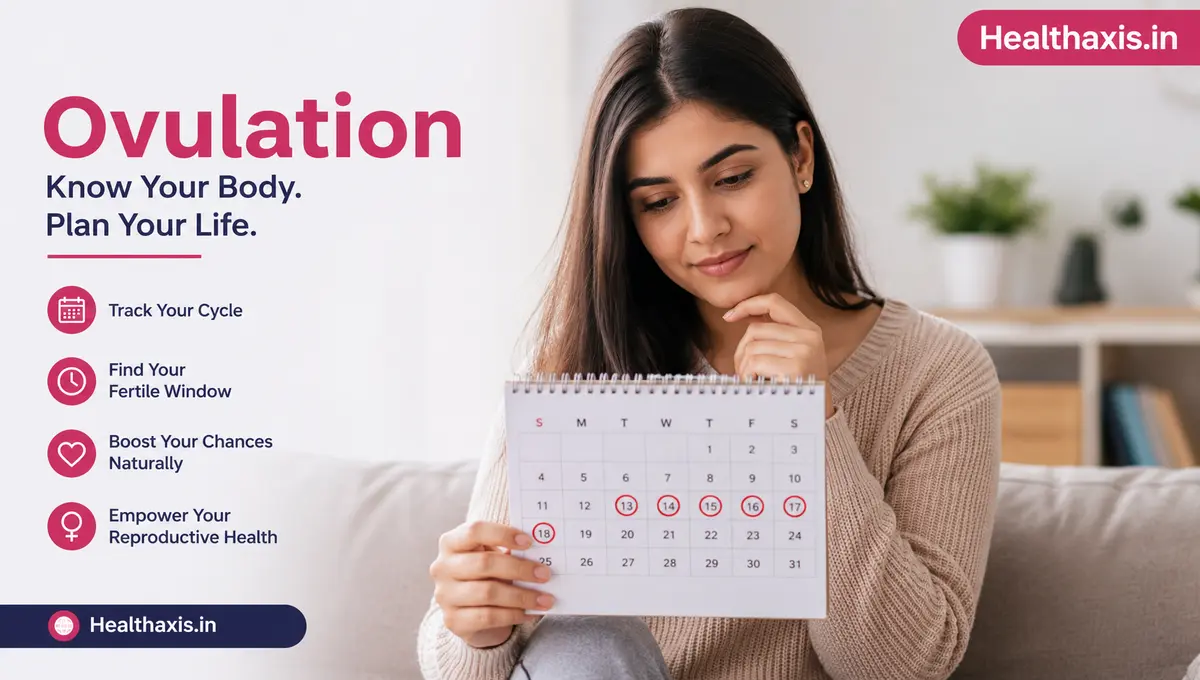
Ovulation is the specific phase in a menstrual cycle when a mature egg is released from the ovary, making it the most critical time for pregnancy. For anyone wondering what period is the right time to conceive, identifying your fertile window is absolutely essential. Understanding this biological process helps individuals and couples in India plan pregnancies more effectively or simply monitor their general reproductive health. This guide clearly explains the physical signs, precise timing, and practical methods to track your cycle accurately.
Key Highlights / Quick Facts
- The release of an egg usually happens once a month, roughly halfway through a regular menstrual cycle.
- An egg survives for only 12 to 24 hours after release, creating a very brief window for fertilization.
- Sperm can live safely inside the female reproductive tract for up to five days waiting for the egg.
- The fertile window typically includes the five days leading up to and the exact day the egg is released.
- Common physical signs include clear, stretchy cervical mucus, mild pelvic twinges, and a slight rise in body temperature.
- Irregular menstrual cycles can make cycle tracking more challenging, requiring the use of predictor kits.
- Stress, sudden weight changes, and conditions like PCOS can delay or prevent the release of an egg entirely.
What is Ovulation and How Does the Process Work?
Ovulation is the biological process where an ovary releases a mature egg ready for potential fertilization. This event is triggered by a sudden surge in luteinizing hormone (LH), which is controlled by the brain after estrogen levels peak. Once released, the egg slowly travels down the fallopian tube toward the uterus. If sperm is present during this journey, conception can successfully occur. If the egg remains unfertilized, it dissolves naturally, and the uterine lining sheds roughly two weeks later, resulting in a menstrual period.
When Exactly Does Ovulation Occur in a Typical Menstrual Cycle?
In a standard 28-day menstrual cycle, the release of the egg typically occurs around day 14. However, cycle lengths vary significantly among Indian women, often ranging anywhere from 21 to 35 days. Medically, the egg is usually released about 10 to 16 days before the start of the next menstrual period. Tracking the length of your cycle consistently over several months is the best way to estimate when this fertile phase will happen for your unique body.
How Long Does the Ovulation Period Actually Last?
The actual biological event of an egg releasing is surprisingly short, lasting only 12 to 24 hours. This brief timeframe represents the maximum lifespan of the mature egg once it leaves the ovary. However, because sperm can survive in the reproductive tract for up to five days in ideal conditions, your complete fertile window is about six days long. Identifying this larger six-day timeframe is crucial for anyone actively trying to conceive.
Key Physical Signs and Symptoms to Identify Ovulation
Your body provides several physical clues when an egg is about to be released. The most noticeable symptom is a distinct change in cervical mucus, which becomes clear, slippery, and stretchy, highly resembling raw egg whites. You may also experience a slight increase in your resting basal body temperature immediately after the egg is released. Other common physical signs include mild lower abdominal pain on one side (known clinically as mittelschmerz), sudden breast tenderness, and a noticeably heightened sense of smell.
How to Accurately Calculate Your Fertile Window
To calculate your fertile window effectively, you must first determine the average length of your menstrual cycle over three to four months. Subtract 14 days from your total cycle length to estimate the specific day the egg will be released. Your highly fertile window begins five days before this estimated date and ends one day after. Using a traditional calendar or a dedicated digital health app can help you log your periods and calculate this critical window more accurately over time.
Reliable Methods to Track Ovulation at Home
Tracking your cycle at home is straightforward with a few consistent daily habits. Monitoring your basal body temperature (BBT) every morning before getting out of bed helps identify the slight temperature spike that confirms an egg was released. Checking daily changes in cervical mucus is another highly reliable, completely cost-free method that indicates approaching fertility. Combining these two observation methods provides a very accurate and comprehensive picture of your personal reproductive cycle.
Understanding Ovulation Predictor Kits and How They Work
Ovulation predictor kits (OPKs) are convenient over-the-counter tests that detect the sudden surge of luteinizing hormone (LH) in your urine. This significant hormone surge typically happens 24 to 36 hours before the ovary actually releases the egg. Using these kits daily around your expected fertile window gives you a clear, medically reliable advance warning of your most fertile days. Healthcare professionals highly recommend OPKs for couples who want to maximize their chances of planning a pregnancy quickly.
The Connection Between Ovulation Timing and Conception
Precise timing is the absolute most critical factor in achieving a successful pregnancy. Because the egg only lives for a maximum of 24 hours, healthy sperm must ideally be ready and waiting in the fallopian tubes when the egg arrives. Having intercourse in the days leading up to and exactly on the day of the egg’s release maximizes the chances of successful conception. Understanding this biological timing takes the guesswork and stress out of family planning.
Navigating Ovulation Tracking with Irregular Periods
Tracking fertility becomes considerably more complex if your menstrual cycles vary by several days or weeks each month. For highly irregular cycles, relying solely on basic calendar calculations is generally ineffective and frustrating. Instead, you should focus heavily on physical bodily signs like cervical mucus changes and use predictor kits for daily confirmation. Consulting a healthcare professional can also help identify the underlying cause of your cycle irregularity and provide targeted, medical tracking strategies.
Common Reasons for Delayed or Absent Ovulation
Several underlying medical conditions and daily lifestyle factors can easily disrupt the regular release of an egg. Polycystic Ovary Syndrome (PCOS) is one of the most common medical causes of irregular or absent cycles in India. High stress levels, significant weight loss or obesity, extreme exercise routines, and thyroid hormone imbalances can also severely delay the reproductive process. Maintaining a balanced lifestyle, managing stress, and medically addressing underlying health conditions are key steps to regulating your natural cycle.
When to Seek Medical Advice for Ovulation and Fertility Concerns
You should consult a doctor if you experience highly irregular periods, severe pelvic pain, or if you go several months without a natural menstrual cycle. Couples under the age of 35 should seek medical advice if they have been trying to conceive actively for a full year without success. Those over the age of 35 should proactively consult a fertility specialist after just six months of trying. Early medical intervention can efficiently help identify reproductive issues and outline highly effective fertility treatments.
Frequently Asked Questions (FAQs)
Can ovulation happen twice in one menstrual cycle?
No, but two eggs can be released within the same 24-hour period. This rare occurrence is exactly how fraternal twins are conceived. After those initial 24 hours, hormonal shifts completely prevent any further eggs from being released that month.
Is it possible to have a period without ovulating?
Yes, this is known medically as an anovulatory cycle. You may experience regular vaginal bleeding that closely looks and feels like a period, but no egg was actually released during that specific cycle.
Can high stress delay my fertile window?
Yes, high levels of ongoing physical or emotional stress can severely interfere with the brain hormones needed to trigger the release of an egg. Managing daily stress is an important component of maintaining regular, healthy menstrual cycles.
How soon after stopping birth control does my cycle normalize?
For many individuals, regular cycles resume within one to three months after stopping daily oral contraceptives. However, it is entirely normal for it to take up to six months for your natural hormones to completely regulate.
Can I get pregnant if I have intercourse after my fertile window closes?
The chances are extremely low. Once the 12 to 24-hour lifespan of the released egg has fully passed, conception is generally not biologically possible until your next fertile window begins the following month.
Read More: Period Blood Black: Common Causes & When to Worry
