

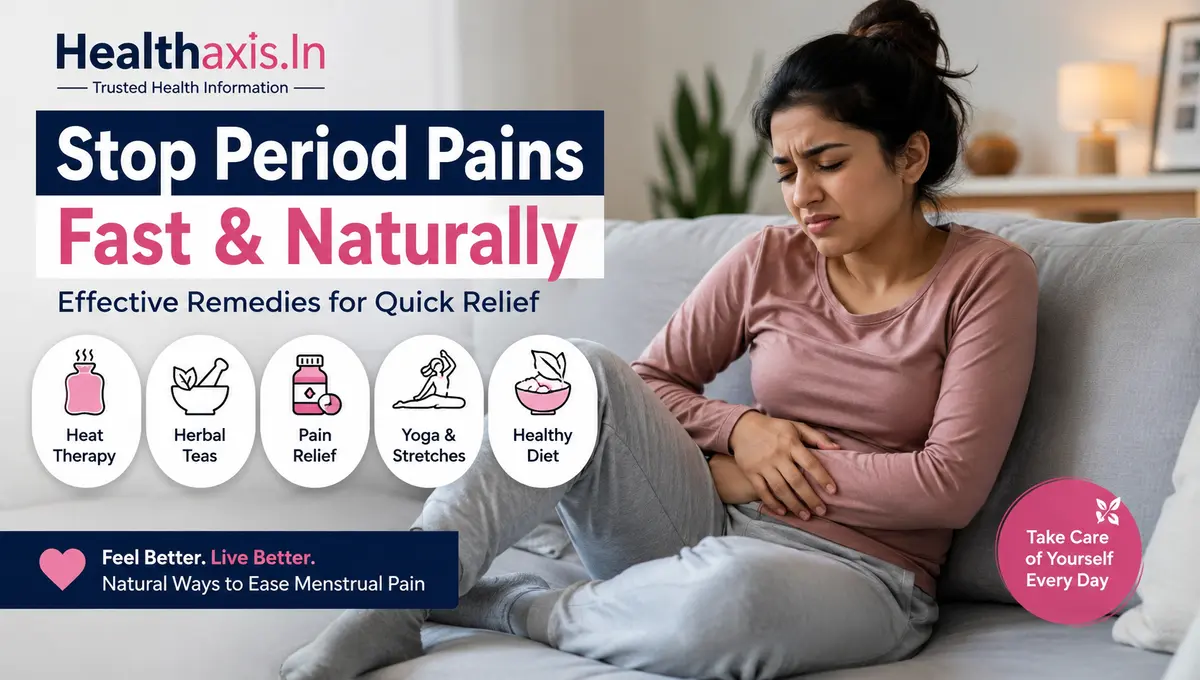
An effective approach to managing your menstrual cycle involves finding fast, reliable relief so you can comfortably continue your daily routine. Period pains, medically referred to as dysmenorrhea, are triggered by the uterus contracting to shed its lining each month. You can stop these cramps quickly by combining proven home remedies like targeted heat therapy, specific gentle stretches, and anti-inflammatory diets with the appropriate over-the-counter medications. This guide provides actionable, medically backed methods to help you understand, manage, and significantly reduce period pains for a healthier cycle.
Key Highlights / Quick Facts
- Primary cause: Hormone-like substances called prostaglandins trigger uterine contractions, which lead to cramping and abdominal discomfort.
- Most effective quick relief: Applying a traditional hot water bag or electronic heating pad to the lower abdomen relaxes tense uterine muscles.
- Helpful beverages: Warm herbal infusions, particularly ginger or chamomile tea, actively reduce internal inflammation and soothe cramps.
- Medical options: Over-the-counter nonsteroidal anti-inflammatory drugs (NSAIDs) block the pain-causing chemicals effectively.
- Physical activity: Gentle stretching and targeted yoga poses improve pelvic blood flow and reduce overall bodily stiffness.
- Dietary impact: High intakes of sodium, refined sugar, and caffeine can severely worsen water retention and cramping.
- Red flags: Pain that causes vomiting, dizziness, or remains unresponsive to standard painkillers requires prompt medical evaluation.
Understanding the Core Causes Behind Your Period Pains
The primary reason for period pains is the bodily release of prostaglandins, which cause your uterine muscle walls to tighten and contract. Higher accumulated levels of these chemicals generally lead to much more severe and noticeable menstrual cramps. Secondary dysmenorrhea is another common cause, stemming from underlying reproductive health conditions like endometriosis, uterine fibroids, or pelvic inflammatory disease (PID). Identifying whether your discomfort is primary (standard contractions) or secondary (caused by a medical issue) is the critical first step in finding the right treatment path.
Remedy 1: Applying Heat Therapy for Quick Relief from Period Pains
Heat therapy works directly by relaxing the muscular walls of the uterus, which increases local blood flow and quickly eases cramping sensations. Applying a standard heating pad or a traditional hot water bag to your lower abdomen or lower back is often just as effective as taking a mild painkiller. For the safest and best results, keep the heat source warm but never scalding, and apply it for 15 to 20 minutes at a time. Taking a warm shower or bath can also provide full-body relaxation and heavily soothe pelvic pressure.
Remedy 2: Drinking Traditional Herbal Teas to Soothe Menstrual Cramps
Consuming warm liquids naturally increases blood flow to the pelvic region and helps systematically relax cramped abdominal muscles. Traditional Indian home remedies like fresh ginger tea or boiled ajwain (carom seeds) water contain natural anti-inflammatory properties that actively reduce prostaglandin production. Chamomile and peppermint teas are also highly recommended for calming the central nervous system and easing tight stomach tension. Drinking two to three cups of these warm herbal infusions daily during your active cycle can significantly lower the intensity of period pains.
Remedy 3: Choosing the Right Over-the-Counter Pain Medications
Nonsteroidal anti-inflammatory drugs (NSAIDs) remain the most reliable over-the-counter option for fast and effective menstrual cramp relief. Medications containing Ibuprofen, Mefenamic acid, or Naproxen work by directly blocking the body’s ongoing production of pain-causing prostaglandins. For maximum effectiveness, healthcare professionals advise taking these medications with a full meal as soon as your bleeding or cramping begins. Always follow the specific dosage instructions provided on the medical packaging and consult a local pharmacist if you have existing stomach or kidney sensitivities.
Remedy 4: Practicing Gentle Yoga and Stretches to Ease Period Pains
Engaging in very light physical activity releases beneficial endorphins, which act as the human body’s natural internal painkillers. Gentle yoga poses such as the Child’s Pose (Balasana), Cat-Cow stretch, and Knees-to-Chest pose specifically target and stretch the lower back and tight pelvic muscles. These specific movements help release trapped abdominal gas, reduce uncomfortable bloating, and improve overall blood circulation in the stomach area. It is best to avoid strenuous, high-intensity workouts during the heaviest days of your cycle, focusing entirely on relaxing stretches instead.
Remedy 5: Using Abdominal Massage Techniques for Fast Comfort
Massaging your lower abdomen can help manually relax tense pelvic muscles and relieve acute spikes in period pains. Use very gentle, slow, and circular hand motions around your navel and lower stomach area for about five to ten consecutive minutes. Incorporating therapeutic essential oils like lavender, clary sage, or peppermint diluted in a safe carrier oil (such as coconut or almond oil) can greatly enhance the pain-relieving effects. The physical touch combined with the calming scent directly reduces muscle spasms and promotes deep relaxation.
Remedy 6: Eating Anti-Inflammatory Foods to Naturally Reduce Period Pains
Your daily diet plays a crucial and often overlooked role in managing menstrual discomfort and reducing widespread bodily inflammation. Foods naturally rich in omega-3 fatty acids, such as flaxseeds, walnuts, and fatty fish, actively help decrease the body’s production of inflammatory chemicals. Including magnesium-rich whole foods like spinach, pumpkin seeds, and dark chocolate can also assist in relaxing uterine muscles and minimizing sharp cramping. Ensure you stay properly hydrated by drinking plenty of plain, room-temperature water to reduce water retention and painful stomach bloating.
Remedy 7: Trying Simple Acupressure Points for Menstrual Cramp Relief
Acupressure involves applying firm, targeted physical pressure to specific external points on the body to stimulate blood flow and naturally relieve pain. The most commonly utilized point for menstrual relief is located approximately four finger-widths directly below your belly button. Applying steady, gentle downward pressure to this specific area for a few minutes can help noticeably dull the sensation of period pains. Another highly effective point is situated on the inside of the lower leg, just above the ankle bone, which helps regulate pelvic tension and reduce discomfort.
Common Dietary and Lifestyle Habits That Worsen Period Pains
Certain daily habits can significantly increase internal inflammation and make your monthly menstrual cramps feel much more severe. Consuming high amounts of salty packaged snacks and heavily processed foods leads to rapid water retention, which worsens abdominal bloating and pelvic pressure. High levels of caffeine and alcohol constrict your blood vessels, actively restricting healthy blood flow to the uterus and intensifying muscle tension. Consciously reducing your intake of these dietary triggers a few days before your cycle begins can make your period much more manageable.
How to Prevent Severe Period Pains Before Your Next Cycle Starts
Proactive preventative care is very often more effective than attempting to treat heavy cramps once they have already begun. Maintaining a regular, moderate exercise routine throughout the entire month strengthens your pelvic floor muscles and improves overall bodily circulation, which directly reduces the severity of future cramps. Starting a daily magnesium or vitamin B-complex dietary supplement about a week before your expected period can also help reliably prevent muscle spasms. Consistently prioritizing a nutritionally balanced diet and adequate nightly sleep prepares your body to handle hormonal shifts with far less discomfort.
Red Flags: When to Consult a Gynecologist for Unbearable Period Pains
While experiencing mild to moderate cramping is completely normal, debilitating pelvic pain that disrupts your regular daily life is not. You should immediately see a healthcare professional if your period pains are accompanied by a high fever, severe nausea, sudden fainting, or unusually heavy blood flow. Pain that routinely begins several days before your period starts or continues long after it ends may indicate serious underlying conditions like endometriosis or fibroids. A qualified gynecologist can provide an accurate medical diagnosis, prescribe much stronger medications, or recommend highly specialized clinical treatments.
Frequently Asked Questions (FAQs) About Managing Period Pains
Are severe period pains considered a normal part of the cycle?
Mild to moderate cramping is a normal and expected part of the menstrual cycle due to natural uterine contractions. However, severe, debilitating pain that forces you to miss work, school, or daily activities is not normal and should always be evaluated by a medical doctor.
Which over-the-counter medication is best for immediate cramp relief?
NSAIDs like Ibuprofen or Mefenamic acid are widely considered the most effective for fast relief because they specifically target and reduce the production of prostaglandins. You should always take them with a meal or snack to effectively prevent potential stomach upset.
Does drinking hot water actually help with menstrual cramps?
Yes, drinking hot water directly helps relax the tight uterine muscles and actively increases blood flow to the entire pelvic region. It also helps reduce internal bloating and flushes out excess, water-retaining sodium from the body.
Can changing my sleeping position affect my menstrual pain?
Yes, sleeping curled up in the fetal position takes heavy physical pressure off the abdominal muscles and actively reduces pelvic tension. This resting position can help naturally minimize cramping and also reliably prevent fluid leaks during heavy flow nights.
How do I know if my severe cramps are caused by endometriosis?
Endometriosis very often causes severe, chronic pelvic pain that extends well beyond your standard menstrual cycle, along with pain during intercourse and unusually heavy bleeding. Only a qualified gynecologist can accurately diagnose this specific condition through thorough physical exams and pelvic imaging.
Read More: Periods Two Times in a Month? 5 Warning Signs You Shouldn’t Ignore

1 Comment
Pingback: Period Symptoms: 15 Common Signs And What’s Normal | Healthaxis.In