

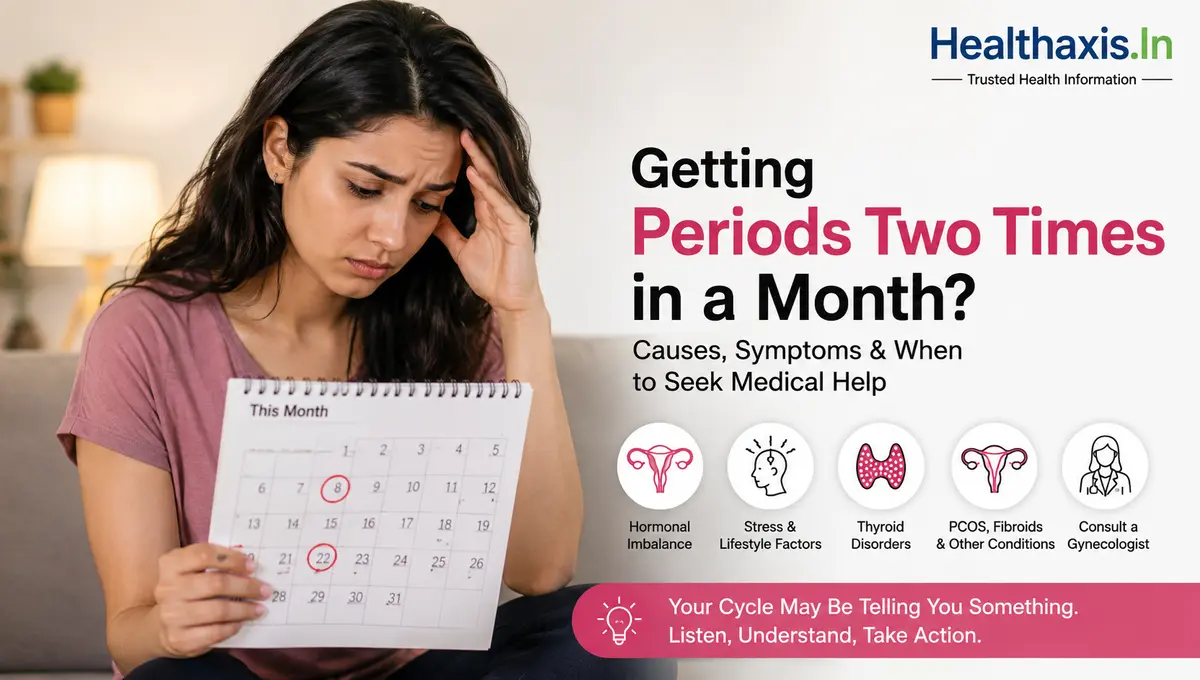
Experiencing periods two times in a single calendar month can be alarming, but it is a common issue linked to shorter menstrual cycles or mid-cycle bleeding. A normal cycle lasts 21 to 35 days, meaning occasional early bleeding might just be a natural shift. However, consistently getting periods two times a month often signals underlying hormonal imbalances, stress, or medical conditions like thyroid issues. Understanding the root cause is crucial for your reproductive health and determining if you need professional medical guidance.
Key Highlights / Quick Facts
- A typical menstrual cycle ranges from 21 to 35 days in adult women.
- Bleeding twice in one month can result from a naturally short cycle or abnormal spotting.
- Common lifestyle triggers include extreme stress, sudden weight changes, and poor sleep.
- Hormonal imbalances from birth control pills or thyroid disorders are frequent causes.
- Medical conditions such as PCOS, fibroids, or endometriosis require professional diagnosis.
- Warning signs like heavy bleeding, severe pain, or large clots need immediate medical attention.
- Tracking your cycle with dates and flow intensity helps doctors diagnose the issue accurately.
- Treatment depends on the root cause and may involve lifestyle changes or hormone therapy.
Understanding Your Cycle: What Does Having Periods Two Times Mean?
Having periods two times in a month means your menstrual cycle is significantly shorter than average or you are experiencing abnormal uterine bleeding. If your cycle falls on the shorter end of the normal 21 to 35-day spectrum, you might naturally bleed at the beginning and end of the same month.
This occasional occurrence is usually harmless and simply a quirk of the calendar. However, if your cycle suddenly shortens and you consistently see periods two times, it indicates a shift in your reproductive system that warrants attention.
Short Menstrual Cycles vs. Mid-Cycle Spotting: Knowing the Difference
The difference lies in the flow and timing; a short cycle brings a full, normal period, while mid-cycle spotting involves light bleeding between regular periods. Spotting is usually light enough that it does not require a pad or tampon.
Misinterpreting spotting as a full flow is common when women believe they are experiencing periods two times. Mid-cycle spotting often happens during ovulation or due to minor hormonal drops, whereas a true second period involves standard menstrual flow and cramping.
The 5 Crucial Warning Signs Accompanied by Periods Two Times
When you experience periods two times in a month, watch for heavy bleeding, severe pelvic pain, large blood clots, prolonged periods, and unexpected weight loss. These symptoms suggest more than just a simple cycle variation and require medical intervention.
Heavy bleeding that soaks through a pad every hour or lasts longer than seven days is a major red flag. Experiencing these signs alongside periods two times requires a medical evaluation to rule out anemia or structural issues within the uterus.
Lifestyle Triggers: Can Stress or Weight Changes Cause Periods Two Times?
Yes, severe stress and sudden weight fluctuations can disrupt the brain’s hormone-regulating centers, leading to periods two times in a month. The hypothalamus, which controls your menstrual cycle, is highly sensitive to environmental and physical changes.
Significant weight loss, excessive exercise, or chronic anxiety can stop ovulation or trigger early bleeding. Managing these lifestyle factors and maintaining a balanced diet often helps return your cycle to a normal rhythm over a few months.
Hormonal Fluctuations and the Impact of Birth Control Pills
Starting, stopping, or missing birth control pills causes sudden hormonal shifts that frequently result in periods two times a month. These medications introduce artificial hormones that override your natural cycle and control the uterine lining.
Breakthrough bleeding is especially common during the first few months of using new oral contraceptives as your body adjusts. If you forget to take a pill, the sudden drop in hormones triggers withdrawal bleeding, which mimics a second period.
Underlying Medical Conditions: PCOS, Fibroids, and Endometriosis
Conditions like Polycystic Ovary Syndrome (PCOS), uterine fibroids, and endometriosis directly impact the uterine lining and ovulation, often causing periods two times. These structural or hormonal abnormalities create unpredictable bleeding patterns and pelvic discomfort.
Fibroids are benign tumors that can cause heavy, frequent bleeding and a feeling of fullness in the lower abdomen. Endometriosis and PCOS disrupt normal hormonal feedback loops, making irregular or frequent menstruation a primary symptom that requires medical management.
Thyroid Imbalances: A Hidden Reason You Might Get Periods Two Times
An overactive or underactive thyroid gland interferes with sex hormone production, serving as a hidden cause for getting periods two times. The thyroid regulates metabolism and plays a crucial, interconnected role in overall reproductive health.
Hypothyroidism, or an underactive thyroid, often leads to heavier, more frequent periods. Conversely, hyperthyroidism can cause lighter, irregular bleeding, and a simple blood test can determine if a thyroid imbalance is affecting your menstrual cycle.
Perimenopause and Age-Related Menstrual Changes in Women
As women enter perimenopause, typically in their late 30s or 40s, fluctuating estrogen levels cause cycles to become shorter, resulting in periods two times a month. This transition phase leading up to menopause is characterized by unpredictable ovulation and hormonal shifts.
While these age-related changes are a natural part of reproductive aging, they can still be disruptive to daily life. Monitoring the frequency and heaviness of the bleeding is important to ensure no other health complications exist during this transition.
When Should You Consult a Gynecologist for Irregular Cycles?
You should consult a gynecologist if you have periods two times a month for two or three consecutive months, or if you experience severe pain and heavy bleeding. Occasional cycle changes are normal, but persistent irregularity requires professional investigation.
Seek immediate medical care if you feel dizzy, excessively fatigued, or notice bleeding between periods that seems unusually heavy. Early consultation helps identify the root cause and prevents complications like iron deficiency anemia.
Diagnosis and Essential Health Tests for Having Periods Two Times
To diagnose the exact cause of periods two times, doctors typically perform a physical pelvic exam, blood tests, and a pelvic ultrasound. These essential health tests help identify hormonal imbalances, thyroid issues, or structural abnormalities like polyps and fibroids.
Your healthcare provider will also ask for a detailed medical history and review your menstrual tracking data. In some specific cases, a biopsy or hysteroscopy might be recommended for a closer, more detailed look at the uterine lining.
Medical Treatments and Management Strategies to Regulate Your Cycle
Treatment for having periods two times depends entirely on the underlying cause and may include hormonal birth control, thyroid medication, or lifestyle adjustments. Doctors focus on addressing the root issue to restore a predictable, healthy 21 to 35-day cycle.
For structural issues like fibroids or polyps, minimally invasive surgery might be discussed as an option. Iron supplements are frequently prescribed alongside other treatments to manage or prevent anemia caused by excessive or frequent menstrual bleeding.
Frequently Asked Questions (FAQs) About Frequent Menstruation
Is it normal to get a period every 15 days?
Getting a full period every 15 days is generally not normal and indicates an unusually short cycle or abnormal bleeding. You should consult a healthcare provider to determine the cause if this happens consistently.
Can an infection cause a second period in a month?
Yes, pelvic inflammatory disease (PID) or sexually transmitted infections (STIs) can cause vaginal bleeding that might be mistaken for a second period. This type of irregular bleeding requires prompt medical evaluation and targeted antibiotics.
How do I stop getting periods two times in a month?
You cannot safely stop it without first identifying the underlying medical cause. Treatments range from managing stress to taking prescribed hormonal medications, making a professional medical diagnosis essential for proper care.
Does taking the emergency contraceptive pill affect my cycle?
Yes, emergency contraception introduces a high dose of hormones that can significantly disrupt your current menstrual cycle. This sudden hormonal influx often causes early spotting or a delayed period for that specific month.
When is frequent bleeding a sign of something serious?
Frequent bleeding becomes a serious medical concern if it is accompanied by extreme fatigue, massive blood clots, or severe abdominal pain. These warning symptoms point toward severe anemia or significant gynecological conditions that need urgent care.
Read More: Period After C-Section: 7 Things Every New Mom Should Know
