

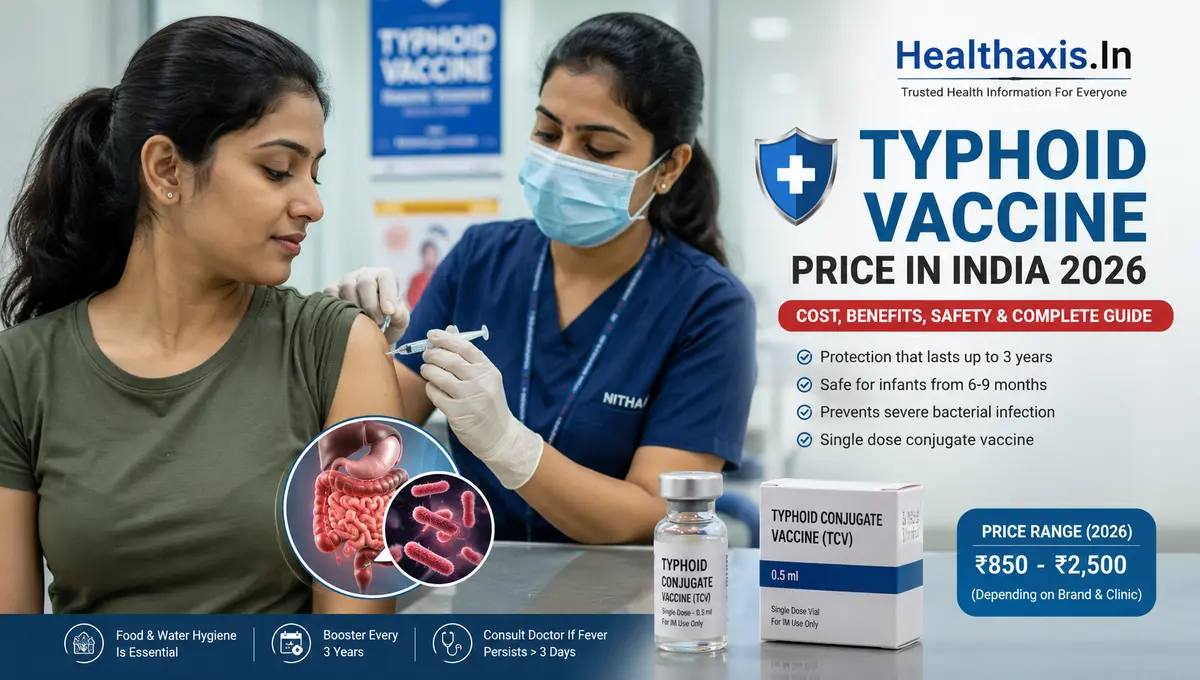
Getting a typhoid vaccine is the most reliable way to protect yourself and your family from a severe bacterial infection known as enteric fever. In 2026, the price in India generally ranges from ₹1,500 to ₹2,500 for a single dose of the highly effective conjugate variant in private clinics. With rising cases of drug-resistant infections, understanding the costs and medical benefits of this immunization is crucial for long-term well-being. This guide provides updated pricing, expert safety tips, and everything you need to know about safeguarding your health.
Key Highlights / Quick Facts
- Primary Cause: The infection is caused by consuming food or water contaminated with Salmonella Typhi bacteria.
- Main Symptoms: Patients experience a prolonged high fever, severe stomach pain, weakness, and persistent headaches.
- Prevention Method: Taking the typhoid vaccine combined with strict water and food hygiene is the best defense.
- Average Cost: Prices in 2026 range from ₹850 for basic variants to over ₹2,300 for premium conjugate options.
- Recommended Age: Immunization can safely begin for infants as early as six to nine months old.
- Protection Duration: A single conjugate dose provides strong immunity for at least three years.
- When to Seek Help: Consult a doctor immediately if a high fever persists for more than three days, accompanied by severe abdominal discomfort.
Understanding Typhoid Fever and the Role of Modern Immunization
Typhoid fever is a life-threatening bacterial infection that primarily spreads through contaminated food and drinking water. The disease remains highly prevalent in areas with inadequate sanitation and limited access to clean drinking water. Getting the typhoid vaccine is a critical preventative measure, especially since the bacteria are becoming increasingly resistant to standard antibiotic treatments. Modern immunization effectively prepares the immune system to fight off the infection before it can multiply in the intestines and enter the bloodstream.
Recognizing Typhoid Symptoms and Potential Health Complications
The symptoms of this infection usually develop gradually over one to three weeks after initial exposure to the bacteria. Patients typically experience a sustained high fever that worsens daily, extreme fatigue, muscle aches, heavy sweating, and severe stomach pain. Some individuals may also develop a faint pink rash on their chest or experience alternating severe diarrhea and constipation. If left untreated, the disease can lead to life-threatening complications, including intestinal bleeding or the dangerous perforation of the bowel.
Typhoid Vaccine Price in India: 2026 Cost Analysis
For individuals seeking immunization in 2026, the cost varies heavily depending on the specific product brand and the healthcare setting. The maximum retail price for popular conjugate brands like Typbar TCV is approximately ₹2,350 per dose. However, alternative conjugate and standard polysaccharide variants might be available for prices ranging from ₹850 to ₹1,200 in certain wholesale pharmacies or medical centers. It is always advisable to check with your local healthcare provider for exact pricing based on their current inventory.
Factors Affecting Private Clinic and Hospital Vaccination Fees
The final amount you pay at a private hospital often exceeds the basic retail price of the medicine itself. Clinics typically add doctor consultation charges, nursing administration fees, and the costs associated with maintaining a strict cold chain storage system. Premium hospitals in major metropolitan cities generally charge higher service fees compared to smaller neighborhood pediatric clinics. Therefore, the overall out-of-pocket expense for a typhoid vaccine can fluctuate significantly based on your geographic location and the facility chosen.
Comparing Typhoid Conjugate Vaccines (TCV) and Live Oral Options
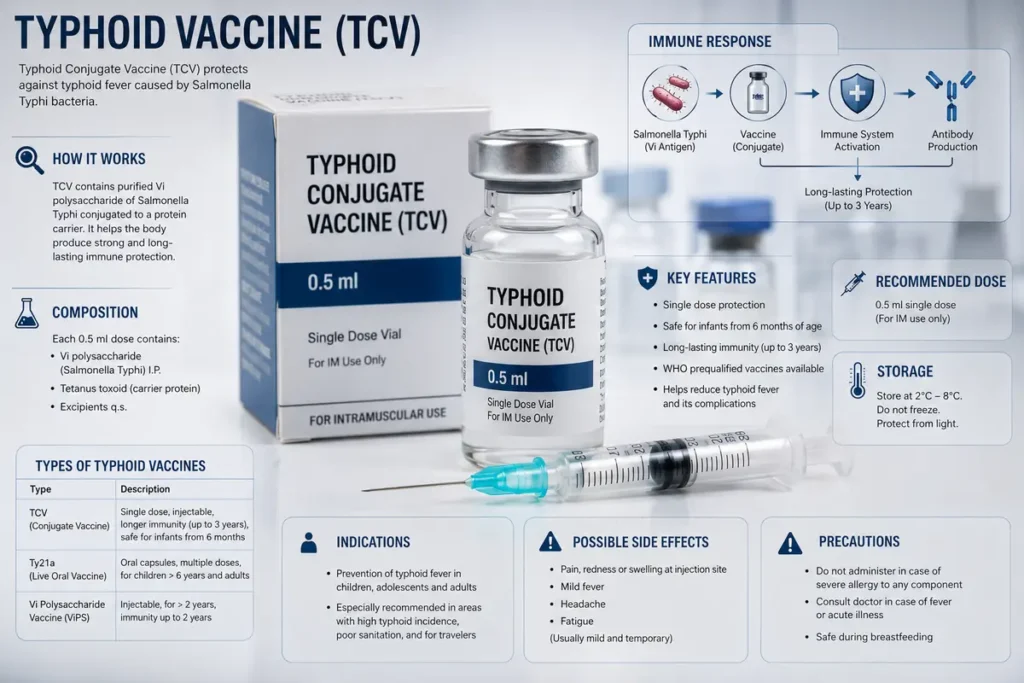
There are different formulations available to protect against this disease, with the conjugate variant being the most widely used and recommended in India today. TCV is preferred because it can be safely administered to young infants, offers longer-lasting immunity, and requires only a single injectable dose. Live oral options do exist but are generally reserved for older children and adults, requiring multiple doses over a span of several days. Your doctor will recommend the most appropriate type based on age, medical history, and specific health needs.
Eligibility and Recommended Age for Typhoid Vaccination
Medical guidelines strongly recommend that immunization should begin early in a child’s life to provide maximum protection during their most vulnerable years. The Indian Academy of Pediatrics advises giving the first dose of the conjugate typhoid vaccine between six to nine months of age. Adults who missed their childhood shots or live in high-risk unsanitary areas are also fully eligible to receive the injection at any time. Pregnant women, nursing mothers, and individuals with weakened immune systems must consult their healthcare provider before proceeding.
Standard Dosage Schedule and Immunity Duration
For the widely preferred conjugate injection, a single liquid dose of 0.5 ml is administered directly into the muscle of the upper arm or thigh. This single shot typically provides strong immunity that lasts for approximately three years from the date of administration. Because the protection naturally fades over time, booster doses are highly recommended every three years to maintain continuous defense. Following this prescribed medical schedule ensures that your body remains constantly prepared to fight off potential bacterial exposure.
Potential Side Effects and Expert Safety Advice for Patients
Like all medical treatments, this immunization can cause mild, temporary side effects as the body actively builds its defensive antibodies. The most common physical reactions include minor pain, redness, or swelling at the injection site, along with a low-grade fever and mild headache. These symptoms usually resolve on their own within one to two days without requiring any special medical attention. Experts advise patients to rest, stay hydrated, and contact a doctor immediately if a very high fever or severe allergic reaction occurs.
Availability at Government Health Centers vs. Private Facilities
In India, the approach to widespread immunization involves both the public and private healthcare sectors working together. While the government’s Universal Immunization Programme provides many core childhood shots for free, the typhoid vaccine is currently most often accessed through private pediatricians and paid clinics. Some state-specific government initiatives or subsidized pharmacies, such as Jan Aushadhi Kendras, may offer the injection at a significantly reduced rate. Parents should verify local availability with their primary health center or district hospital for the most affordable options.
Essential Vaccination Guidance for Frequent Travelers
Travelers visiting regions where sanitation is poor face a significantly higher risk of contracting enteric fever during their trips. Medical professionals strongly advise getting the typhoid vaccine at least two full weeks before departing for high-risk destinations in South Asia, Africa, or Latin America. This specific two-week window allows the human immune system enough time to generate sufficient protective antibodies. Travelers should also remember that clinical immunization is never a substitute for practicing strict food and water safety while abroad.
How the Vaccine Protects Against Salmonella Typhi Bacteria
The injection works by safely introducing a harmless, inactive component of the bacteria directly to your immune system. Specifically, it contains the purified Vi capsular polysaccharide, which trains your body’s white blood cells to recognize the pathogen. Once administered, the immune system produces targeted antibodies without causing the actual disease or its painful symptoms. If you are later exposed to live bacteria through food or water, your body is already fully equipped to neutralize the threat rapidly.
Integrating Vaccination with Hygiene for Effective Prevention
While the typhoid vaccine provides robust clinical protection, no medical injection offers 100 percent absolute immunity against the disease. Therefore, combining the injection with strict daily hygiene practices is the most effective and comprehensive prevention strategy. Always drink purified or boiled water, avoid raw street food, and wash your hands thoroughly with soap before eating or preparing meals. These simple lifestyle habits work seamlessly hand-in-hand with medical immunization to keep you entirely safe from severe gastrointestinal infections.
Frequently Asked Questions
How much does a typhoid vaccine cost in India in 2026?
The price generally ranges from ₹850 for standard formulations up to ₹2,500 for premium conjugate options in private hospitals, depending on additional consultation and administration fees.
Is one dose of the typhoid vaccine enough for a lifetime?
No, a single dose does not provide lifetime immunity. The protection typically lasts for about three years, after which a booster shot is highly recommended to maintain a strong defense against the infection.
Can adults get vaccinated for typhoid?
Yes, adults can and should receive the injection, especially if they travel frequently, work in commercial food handling, or live in neighborhoods where the disease is known to be common.
What are the most common side effects after getting the shot?
Most people experience only mild side effects, such as a sore arm, slight redness at the injection site, general fatigue, or a low-grade fever. These symptoms usually disappear naturally within a couple of days.
Is it safe to get the vaccine during pregnancy?
Pregnant and breastfeeding women should not receive the injection without prior medical consultation. A qualified doctor must carefully evaluate the risks and benefits before recommending the shot during pregnancy.
Read More: Thyroid cancer symptoms: 7 early warning signs & red flags

1 Comment
Pingback: Thyroid Diet: Foods To Avoid With A Thyroid Condition | Healthaxis.In